There’s nothing worse than your AC unit breaking down on a hot Maryland day. Your first instinct? Google how to repair it yourself.
That’s completely understandable. Some AC issues are simple and can be fixed quickly without calling a technician. But here’s the reality: many AC problems are more complex than they appear – and attempting the wrong repair can make things worse (and more expensive).
In this guide, we’ll walk you through what you can safely troubleshoot on your own, step-by-step. More importantly, we’ll show you when to stop and call a professional before a small issue turns into a major repair.
What is AC Repair, and Why Does it Matter?
AC repair involves diagnosing and fixing issues within your air conditioning system so it can properly cool your home.
This can include:
- Electrical components
- Refrigerant systems
- Airflow and ductwork
- Thermostat controls
Why it matters:
- A malfunctioning AC increases energy bills
- Poor cooling affects comfort and health
- Ignored issues can lead to full system failure
If your system stops working completely, you may need immediate AC repair or even replacement.
How to Repair an AC Unit
Before calling a professional, here are safe and simple steps you can try.
Step 1: Check Your Thermostat
It sounds basic, but this is one of the most common issues.
Make sure:
- The thermostat is set to “cool”
- The temperature is set lower than the current room temp
- Batteries (if applicable) are working
Example:
A homeowner might think their AC is broken, but the thermostat was accidentally switched to “heat” or turned off.
Step 2: Inspect Your Air Filter
A clogged air filter can block airflow and reduce cooling.
What to do:
- Remove the filter
- Check for dust buildup
- Replace if dirty
Why this matters:
Dirty filters force your system to work harder, leading to:
- Poor airflow
- Higher energy bills
- Potential system damage
Step 3: Check the Circuit Breaker
Sometimes the issue is electrical.
Look for:
- A tripped breaker
- Power loss to the unit
If the breaker has tripped:
Reset it once
If it trips again, stop and call a professional
Repeated electrical issues are not DIY-friendly.
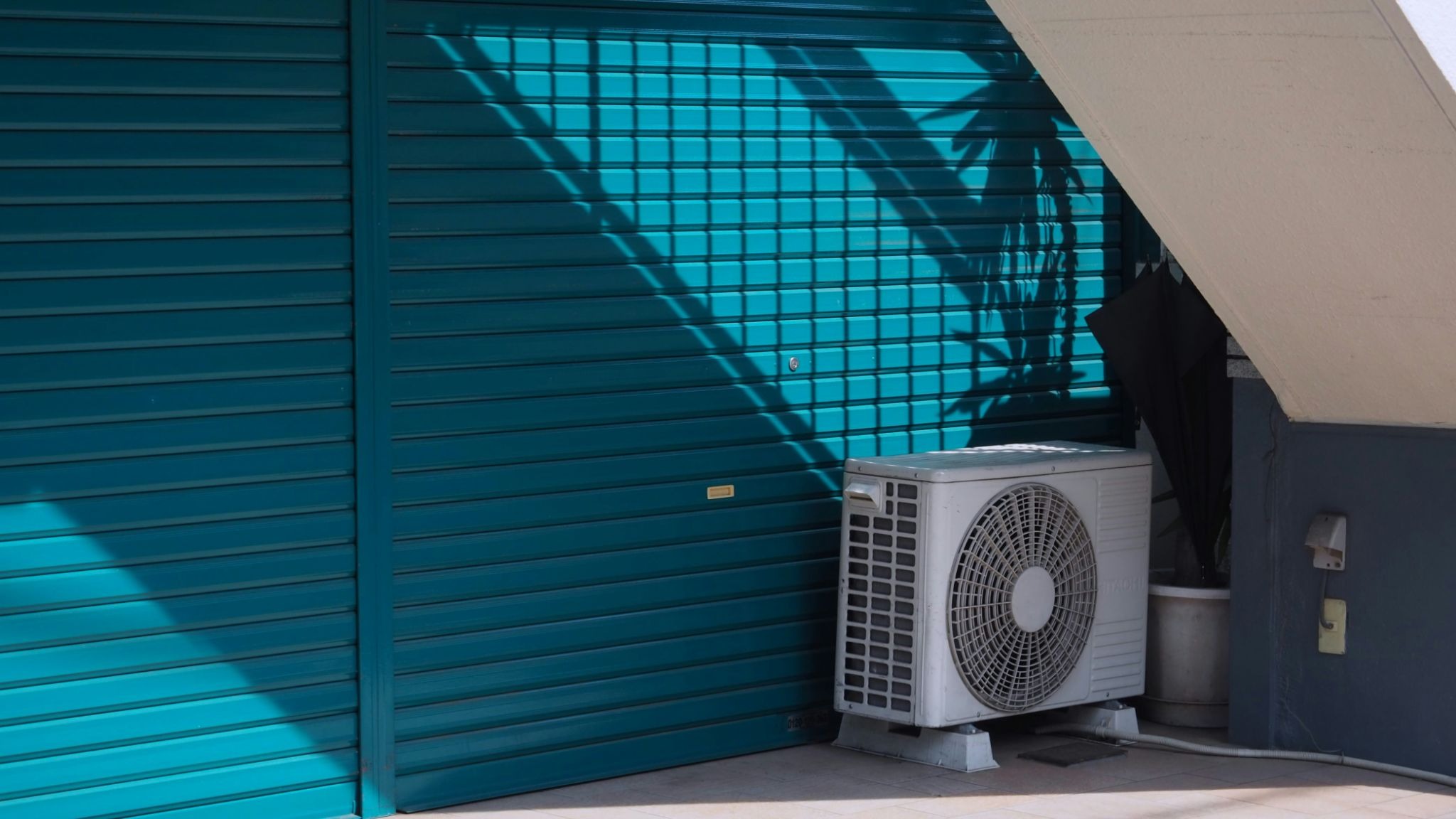
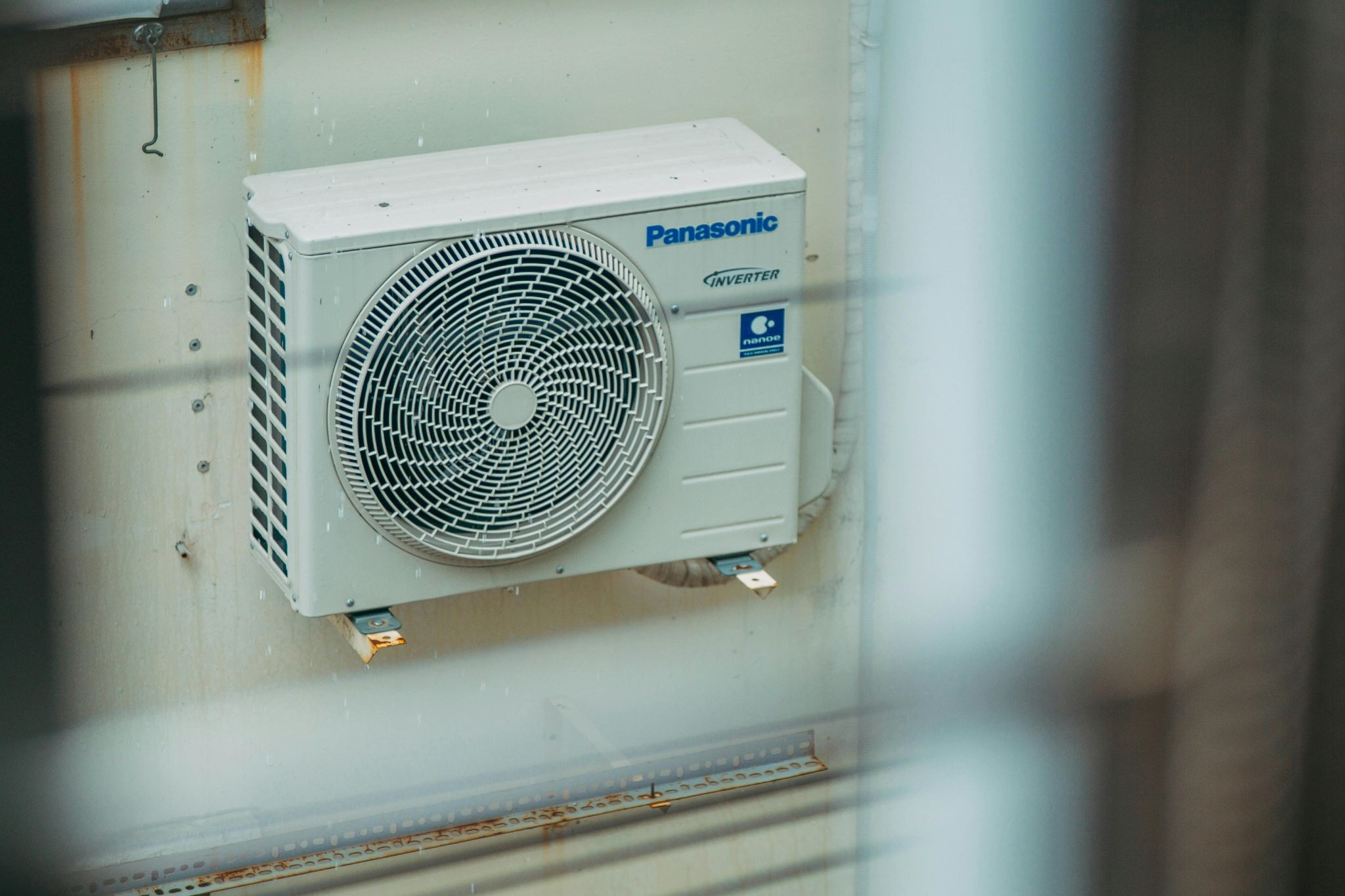
Step 4: Inspect the Outdoor Unit
Your outdoor condenser plays a major role in cooling.
Check for:
- Debris (leaves, dirt, branches)
- Blocked airflow
- Visible damage
What to do:
- Gently clean around the unit
- Keep at least 2 feet of clearance
Step 5: Check Air Vents and Registers
Blocked vents can reduce airflow throughout your home.
Make sure:
- Vents are open
- Furniture isn’t blocking airflow
Example:
A closed vent in one room can affect cooling in the entire system.
Step 6: Look for Ice on the Unit
If you see ice buildup:
- Turn off the AC immediately
- Let it thaw completely
Possible causes:
- Dirty filters
- Low refrigerant
- Airflow issues
If icing continues, it’s time to call for repair.
Step 7: Listen for Unusual Noises
Your AC should run relatively quietly.
Warning sounds:
- Grinding
- Banging
- Squealing
These usually indicate mechanical issues that require professional repair.
When You Should NOT Try to Repair Your AC
This is the most important part of this guide.
Some problems are not safe – or smart – to fix yourself.
1. Refrigerant Issues
If your system is low on refrigerant:
- It needs to be handled by a licensed technician
- DIY attempts can damage the system
2. Electrical Problems
Wiring issues can lead to:
- Electrical shock
- Fire hazards
Never attempt to fix electrical components yourself.
3. Compressor Failure
The compressor is one of the most expensive parts of your system.
If it fails:
- Repair costs can be high
- Replacement may be necessary
Learn more about replacement options here: HVAC Installation.
4. Repeated Breakdowns
If your AC keeps failing:
- There’s likely an underlying issue
- DIY fixes won’t solve the root problem
5. System Is Older (10+ Years)
Older systems:
- Break down more frequently
- May not be worth repairing
At this point, replacement could be more cost-effective.
Why This Matters
Your AC system isn’t just about comfort – it’s essential during hot Maryland summers.
Delaying repairs or attempting risky fixes can lead to:
- Higher energy bills
- Complete system failure
- Emergency repair costs
The goal isn’t to fix everything yourself – it’s to know what you can handle and when to call for help.
So, how do you repair an AC unit?
Start with the basics:
- Check your thermostat
- Replace your air filter
- Inspect airflow and power
But here’s the key takeaway:
Not every problem should be handled on your own.
Knowing when to stop can save you time, money, and a lot of frustration.
If your AC still isn’t working – or you’re not sure what’s wrong – don’t wait for it to get worse.
Contact Four Seasons Heating & Cooling for fast, professional help today