Maryland homeowners rely heavily on their HVAC systems throughout the year. Hot, humid summers require consistent air conditioning, while cold winters can keep furnaces and heat pumps running for long periods. Because heating and cooling can represent a significant portion of household energy use, improving HVAC efficiency can make a noticeable difference in monthly utility costs. The U.S. Department of Energy recommends regular maintenance, clean filters, proper thermostat settings, efficient equipment, and improvements to the home’s insulation and ductwork as ways to reduce energy consumption.
Schedule Regular HVAC Maintenance
One of the simplest ways to help control HVAC energy costs is to keep your system properly maintained. An HVAC system that is dirty, poorly adjusted, or developing mechanical problems may have to work harder to maintain the temperature in your home.
During professional maintenance, a technician can inspect important components, identify potential problems, and make sure the system is operating properly. Regular maintenance can also help identify issues before they develop into expensive repairs or cause your system to lose efficiency.
The Department of Energy recommends professional maintenance for furnaces and heat pumps each year.
For Maryland homeowners, scheduling an HVAC tune-up before periods of heavy heating or cooling use can be a smart way to prepare your system.
Replace Dirty Air Filters
Your HVAC filter has an important job: trapping dust, dirt, and other particles before they enter the system. However, a filter that becomes excessively dirty can restrict airflow.
When airflow is restricted, your HVAC system may have to operate longer to heat or cool your home. That can increase energy consumption while also putting additional strain on the equipment.
Check your filter regularly, particularly during periods when your HVAC system is running frequently. The Department of Energy recommends checking filters monthly during peak-use seasons and replacing them when necessary.
A clean filter is a relatively inexpensive maintenance step that can help your system operate more efficiently.
Use Your Thermostat Strategically
Your thermostat settings can also affect your energy bills. Heating and cooling an empty house wastes energy, so consider adjusting your thermostat when everyone is away or asleep.
Programmable and smart thermostats can make this easier by automatically adjusting temperatures according to your schedule. The Department of Energy notes that adjusting a thermostat by 7–10°F for eight hours a day can potentially reduce annual heating and cooling costs by about 10%, although actual savings vary depending on the home and system.
However, avoid making extreme adjustments that cause your HVAC system to work excessively hard when you return. A consistent, reasonable temperature strategy is generally more practical for maintaining comfort and managing energy use.
Keep Your Vents and Outdoor Unit Clear
Your HVAC system needs good airflow to operate effectively. Inside your home, make sure supply and return vents are not blocked by furniture, rugs, curtains, or other objects.
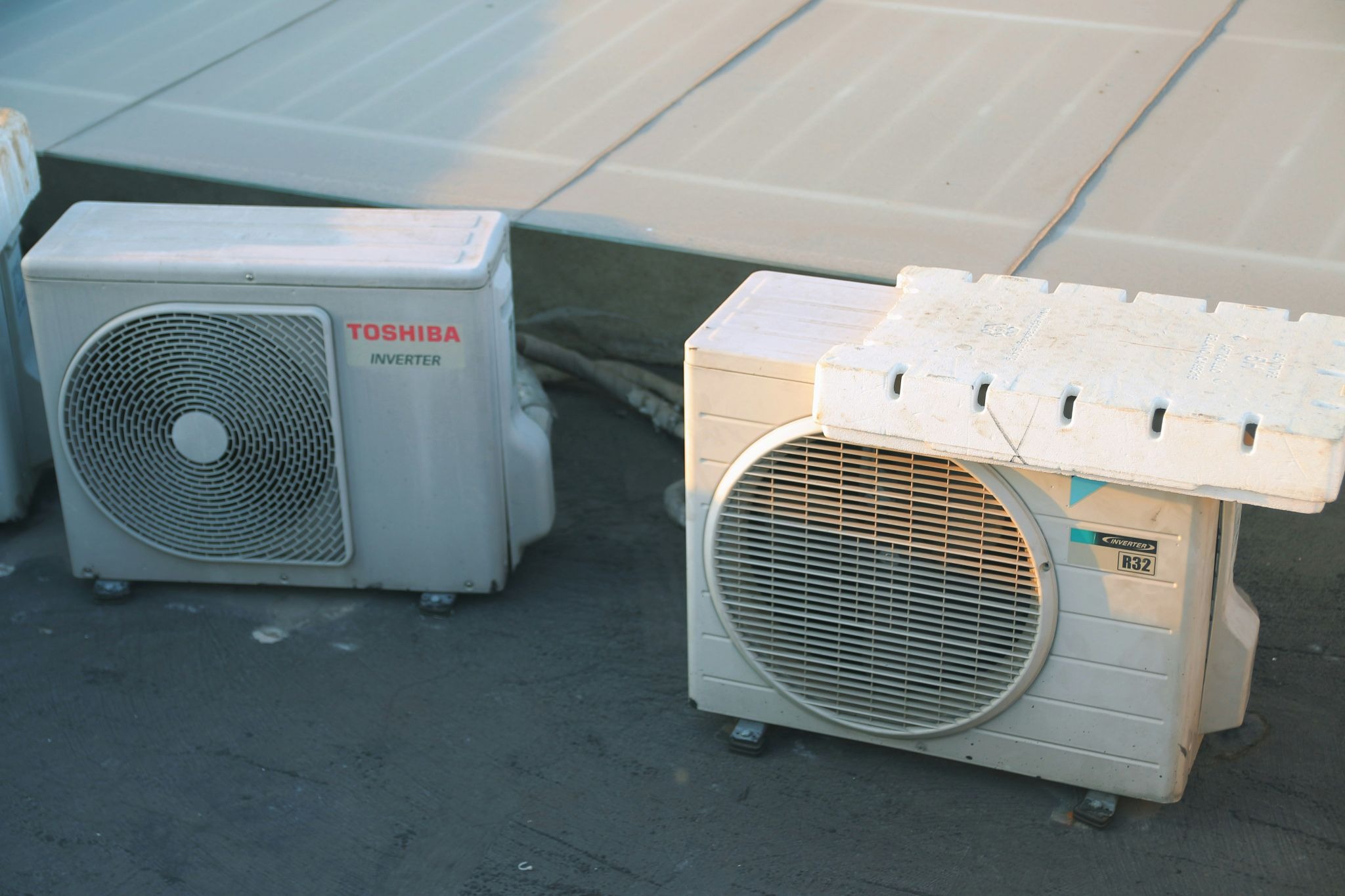
You should also keep the area surrounding your outdoor AC or heat pump unit clear of leaves, grass, weeds, and other debris. The Department of Energy specifically recommends keeping outdoor units clean and clear so air can circulate properly.
If certain rooms remain noticeably warmer or colder than others, weak or restricted airflow could be contributing to the problem. Have the system inspected if basic airflow improvements do not resolve the issue.
Seal and Insulate Your Home
Sometimes the problem is not the HVAC system itself. Your home may simply be losing too much heated or cooled air.
Poor insulation and air leaks around windows, doors, walls, attics, and other areas can make it harder to maintain a comfortable indoor temperature. Your HVAC system then has to compensate for the heat entering or escaping your home.
The Department of Energy recommends air sealing and insulation as important ways to reduce heating and cooling costs.
Improving your home’s envelope can also reduce the amount of work your HVAC equipment needs to do. This can be especially valuable in Maryland, where homeowners experience both significant summer heat and winter cold.
Check Your Ductwork
Your ductwork is responsible for moving heated and cooled air throughout your home. If ducts have leaks, holes, or poor connections, conditioned air can escape before reaching the rooms where it is needed.
According to the Department of Energy, a typical home’s duct system can lose approximately 20%–30% of the air moving through it because of leaks, holes, and poorly connected ducts.
If you notice weak airflow, inconsistent temperatures, or unusually high energy bills, having your ductwork evaluated may be worthwhile.
Improving duct performance can help more of the heating or cooling produced by your HVAC system actually reach your living spaces.
Consider the Age and Efficiency of Your HVAC System
Older HVAC equipment may consume more energy than newer, high-efficiency systems. If your air conditioner or furnace is approaching the end of its useful life, frequently needs repairs, or has become increasingly expensive to operate, replacement may eventually make financial sense.
When evaluating a replacement, look beyond the initial purchase price. Equipment efficiency, installation quality, expected operating costs, and the size of your home should all be considered.
The Department of Energy notes that installation issues such as improper sizing, improper refrigerant charging, and leaky ducts can reduce efficiency and comfort.
A professional HVAC contractor can help determine whether your existing system can be improved through maintenance and repair or whether replacement would be more beneficial.
Consider a Heat Pump
For some Maryland homes, a heat pump may be an energy-efficient option for both heating and cooling.
Heat pumps transfer heat rather than generating it directly. According to the Department of Energy, modern heat pumps can use substantially less electricity for heating than electric resistance heating, although actual savings depend on the equipment, home, climate, and existing heating system.
If you’re considering changing your heating and cooling system, a professional can evaluate whether a heat pump makes sense for your home’s needs.
Take Advantage of Energy-Efficiency Incentives
If you are considering a new HVAC system or other home efficiency upgrades, check for available rebates and incentives before purchasing equipment.
The Department of Energy’s current Energy Savings Hub provides information about federal home energy programs and directs homeowners toward available incentives. Eligibility and program availability can vary by location and project.
A qualified HVAC professional may also be able to help you understand which equipment options could provide better efficiency for your home.
Know When Your HVAC System Needs Professional Attention
Sometimes high energy bills are a symptom of an HVAC problem rather than simply increased usage.
If your system runs constantly, struggles to reach the thermostat setting, produces weak airflow, makes unusual noises, or causes noticeably inconsistent temperatures, schedule an inspection. Continuing to operate an inefficient or malfunctioning system can increase energy consumption and potentially turn a smaller problem into a larger repair.
If your system is already struggling, HVAC repair can help identify and address problems affecting performance.
Lowering HVAC Costs Starts With Efficiency
Lowering your HVAC energy bills in Maryland does not necessarily require replacing your entire system. Start with the basics: replace dirty filters, maintain your equipment, use your thermostat strategically, keep vents and outdoor units clear, and address air leaks and ductwork problems.
If your system is older or consistently inefficient, a professional evaluation can help determine whether repairs, maintenance, or a more efficient replacement would provide the best long-term value.
Regular maintenance is particularly important because small efficiency problems can become more expensive when ignored. For more information, see How Preventive HVAC Maintenance Saves Money Over Time.
For professional help keeping your Maryland home’s heating and cooling system efficient, contact Four Seasons Heating & Cooling to schedule service.