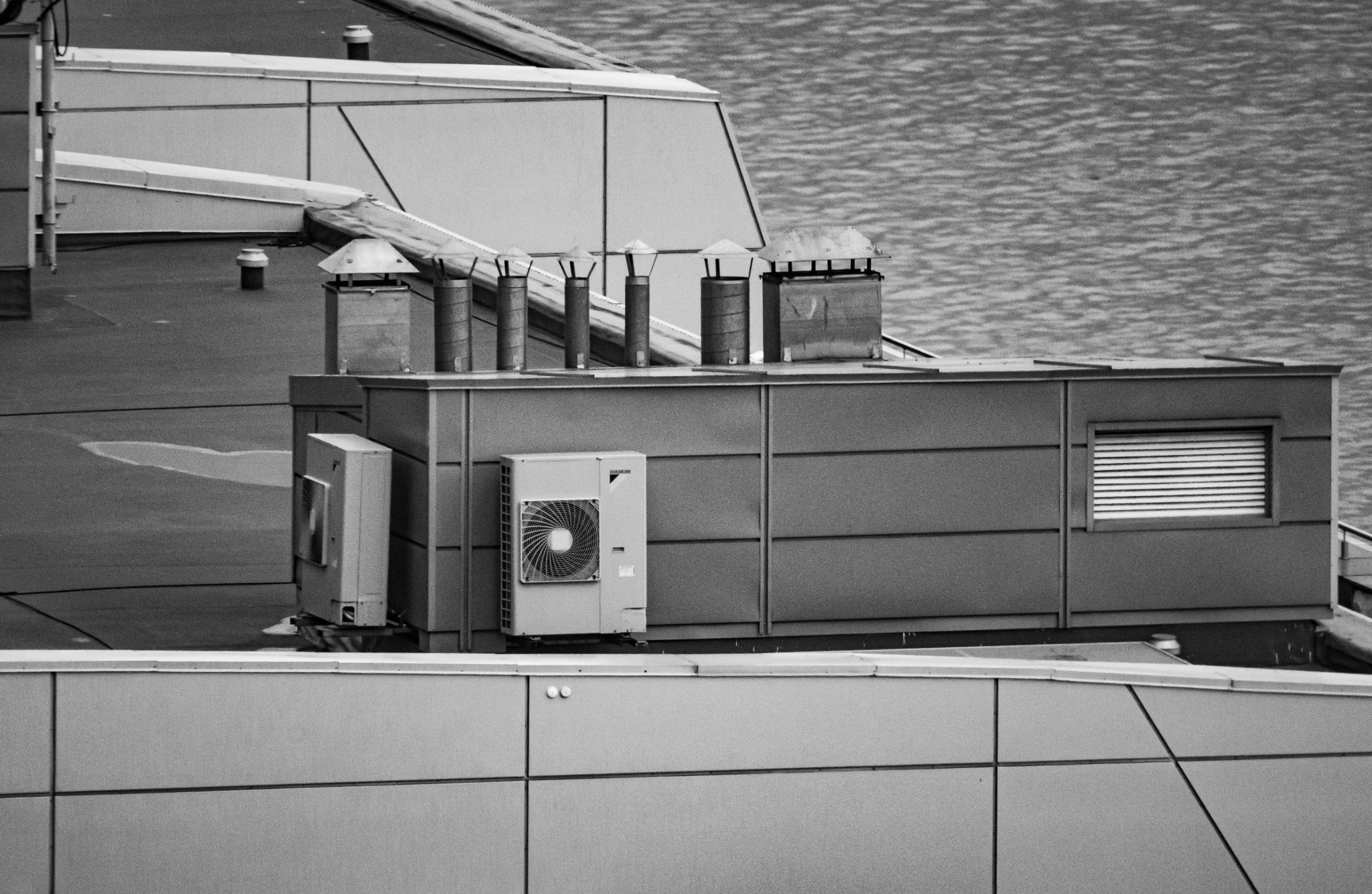
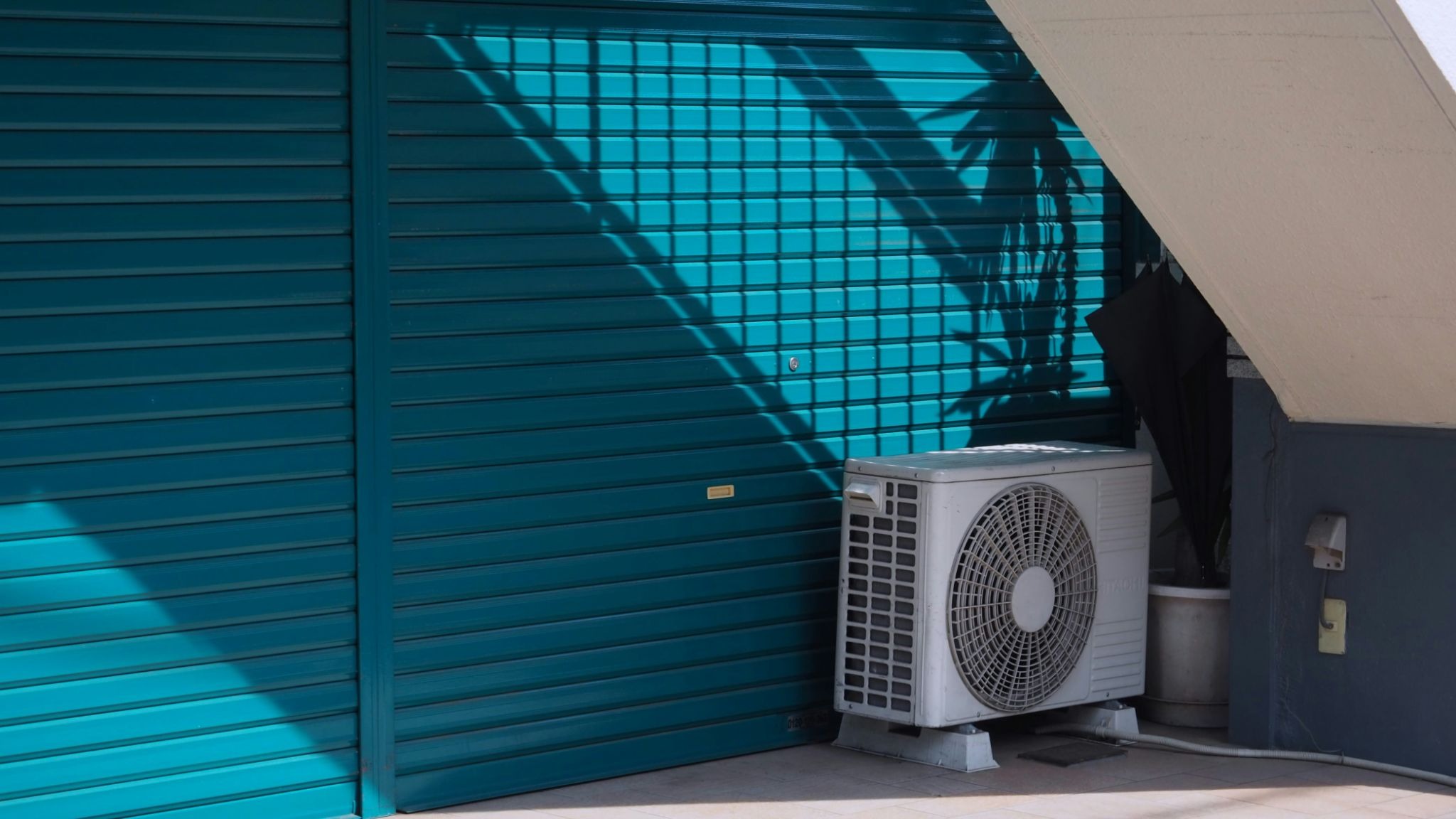
If your air conditioner is running but your home is not getting as cool as it should, low refrigerant could be one possible cause. Refrigerant plays an important role in the cooling process by absorbing heat from indoor air and transferring it outside. When the refrigerant level is too low, an AC system may struggle to cool the home efficiently.
However, homeowners generally cannot determine the exact refrigerant level themselves. Several different HVAC problems can produce similar symptoms, including restricted airflow, dirty filters, electrical problems, or a failing component. Recognizing the warning signs can help you know when it is time to have your system inspected by a professional.
What Does Refrigerant Do in an AC System?
Refrigerant is the substance that allows an air conditioner to move heat out of your home. During a cooling cycle, refrigerant travels through the system and absorbs heat from indoor air. The system then releases that heat outside.
An air conditioner is designed to operate with a specific amount of refrigerant. If the system develops a leak or loses refrigerant, it may no longer be able to transfer heat effectively.
This means the AC may continue running while providing less cooling than expected.
It is important to understand that refrigerant does not normally get “used up” like gasoline. If an AC system is low on refrigerant, there is typically an underlying reason, such as a leak or improper charging.
Your AC Is Running but the House Is Still Warm
One of the most noticeable signs of a potential refrigerant problem is an air conditioner that runs for long periods without adequately cooling the home.
You may notice that the thermostat is set to a comfortable temperature, but the indoor temperature remains higher than expected.
The AC may continue running because it cannot reach the temperature selected on the thermostat.
There are many possible causes of this symptom, so it does not automatically mean the system is low on refrigerant. A professional HVAC technician can test the system and determine what is actually preventing it from cooling properly.
If your AC is running but not cooling, professional AC repair can help identify the cause.
Ice May Form on the Refrigerant Lines or Coil
Another potential warning sign is ice forming on parts of the air conditioning system.
A refrigerant issue can cause the evaporator coil or refrigerant lines to become unusually cold, potentially resulting in ice buildup. However, restricted airflow can also cause similar icing.
If you notice ice on your indoor or outdoor AC equipment, turn the system off and allow it to thaw rather than continuing to run it.
Continuing to operate an AC system while it is iced over may worsen the problem or place additional strain on the equipment.
Once the system has thawed, an HVAC professional can determine why the ice formed.
The Air From Your Vents Isn’t as Cold
Your air conditioner should produce noticeably cooler air when it is operating in cooling mode.
If the air coming from your vents feels closer to room temperature than usual, it could indicate a problem with refrigerant levels or another component of the cooling system.
Before assuming that refrigerant is the problem, check whether the system has a clean air filter and whether your vents are open and unobstructed.
If airflow appears normal but the air is not getting cold, professional testing can determine whether refrigerant, the compressor, coils, or another component is responsible.
Your AC May Run Longer Than Normal
An air conditioner with a refrigerant problem may have difficulty reaching the thermostat’s set temperature. As a result, it may run for much longer periods than usual.
You might notice that the system seems to run almost continuously during weather that would normally cause it to cycle on and off.
Longer run times can increase energy consumption and place additional wear on the equipment.
However, longer AC cycles are not always a sign of low refrigerant. During extremely hot Maryland weather, your system may naturally need to run for extended periods to maintain indoor comfort.
The important factor is whether the behavior is unusual for your particular system.
Your Energy Bills Could Increase
An AC system that is struggling to cool your home may consume more electricity.
If your cooling system runs for significantly longer than normal, your energy usage can increase. You may notice an unexpectedly high electric bill along with other signs such as poor cooling or long operating cycles.
An increased energy bill by itself does not prove that your AC is low on refrigerant. Changes in outdoor temperatures, thermostat settings, insulation, household usage, and electricity rates can all affect energy costs.
But if a higher bill appears at the same time your AC performance declines, it is worth having the system evaluated.
There May Be a Refrigerant Leak
If an HVAC technician determines that your system is low on refrigerant, the next step is finding out why.
A properly functioning air conditioner should not routinely lose refrigerant. Low refrigerant can be caused by a leak somewhere in the system.
Simply adding refrigerant without addressing the underlying problem may provide only a temporary solution.
A professional technician can inspect the system for signs of leakage and determine what repairs may be necessary.
Homeowners should not attempt to handle refrigerant themselves. Refrigerant systems require specialized equipment and professional knowledge to diagnose and service properly.
How Can You Know for Sure?
The symptoms of low refrigerant can overlap with many other AC problems. That’s why there is no reliable way for a homeowner to confirm a refrigerant issue simply by looking at the thermostat or feeling the air from a vent.
An HVAC professional can evaluate the system and use appropriate diagnostic methods to determine whether the refrigerant charge is correct.
The technician may also inspect airflow, coils, electrical components, the compressor, and other parts of the system.
This is important because replacing or adding refrigerant when the actual problem is something else will not fix the underlying issue.
Don’t Ignore AC Performance Problems
If your air conditioner is struggling to keep your Maryland home cool, it is better to investigate the problem early rather than wait for the system to stop working completely.
Regular maintenance can also help identify developing problems before they result in a major breakdown. Professional AC maintenance can help keep your system operating properly and provide an opportunity to identify issues that may affect performance.
If you are experiencing recurring cooling problems, a professional HVAC inspection can provide a more complete evaluation of the system.
When Should You Call an HVAC Professional?
Consider scheduling service if your AC:
- Runs constantly but cannot cool your home
- Produces warmer-than-normal air
- Develops ice on the system or refrigerant lines
- Has noticeably longer cooling cycles
- Causes an unexplained increase in energy usage
- Struggles to reach the thermostat’s set temperature
These symptoms do not necessarily mean your system is low on refrigerant, but they indicate that something may not be operating correctly.
Getting the system checked can help identify the actual cause before the problem becomes more serious.
Keep Your AC Running Efficiently
Low refrigerant is one possible explanation for poor AC performance, but it is not the only one. Restricted airflow, dirty coils, electrical issues, mechanical failures, and other problems can create similar symptoms.
The best way to determine whether refrigerant is actually responsible is to have the system professionally diagnosed.
If your AC is not cooling properly or you suspect a refrigerant problem, contact Four Seasons Heating & Cooling to schedule professional HVAC service.