Improving heat pump efficiency starts with keeping the system properly maintained and making sure your home allows conditioned air to circulate effectively. Clean filters, proper airflow, appropriate thermostat settings, and regular professional maintenance can all help a heat pump operate efficiently. Home insulation and air sealing also matter because a well-insulated home makes it easier to maintain a comfortable indoor temperature. During Maryland’s changing seasons, homeowners can improve heat pump performance by addressing small efficiency problems before they cause the system to work harder than necessary.
Keep Your Heat Pump Properly Maintained
Regular maintenance is one of the most important ways to support heat pump efficiency. Like other HVAC equipment, heat pumps contain components that can become dirty or worn over time.
A professional inspection can help identify problems affecting performance and give homeowners an opportunity to address them before they become larger issues. Maintenance can include checking system components, evaluating airflow, inspecting electrical connections, and making sure the equipment is operating properly.
Homeowners should also keep up with routine filter changes. A dirty filter can restrict airflow, forcing the heat pump to work harder to move conditioned air throughout the home.
Improve Airflow Throughout Your Home
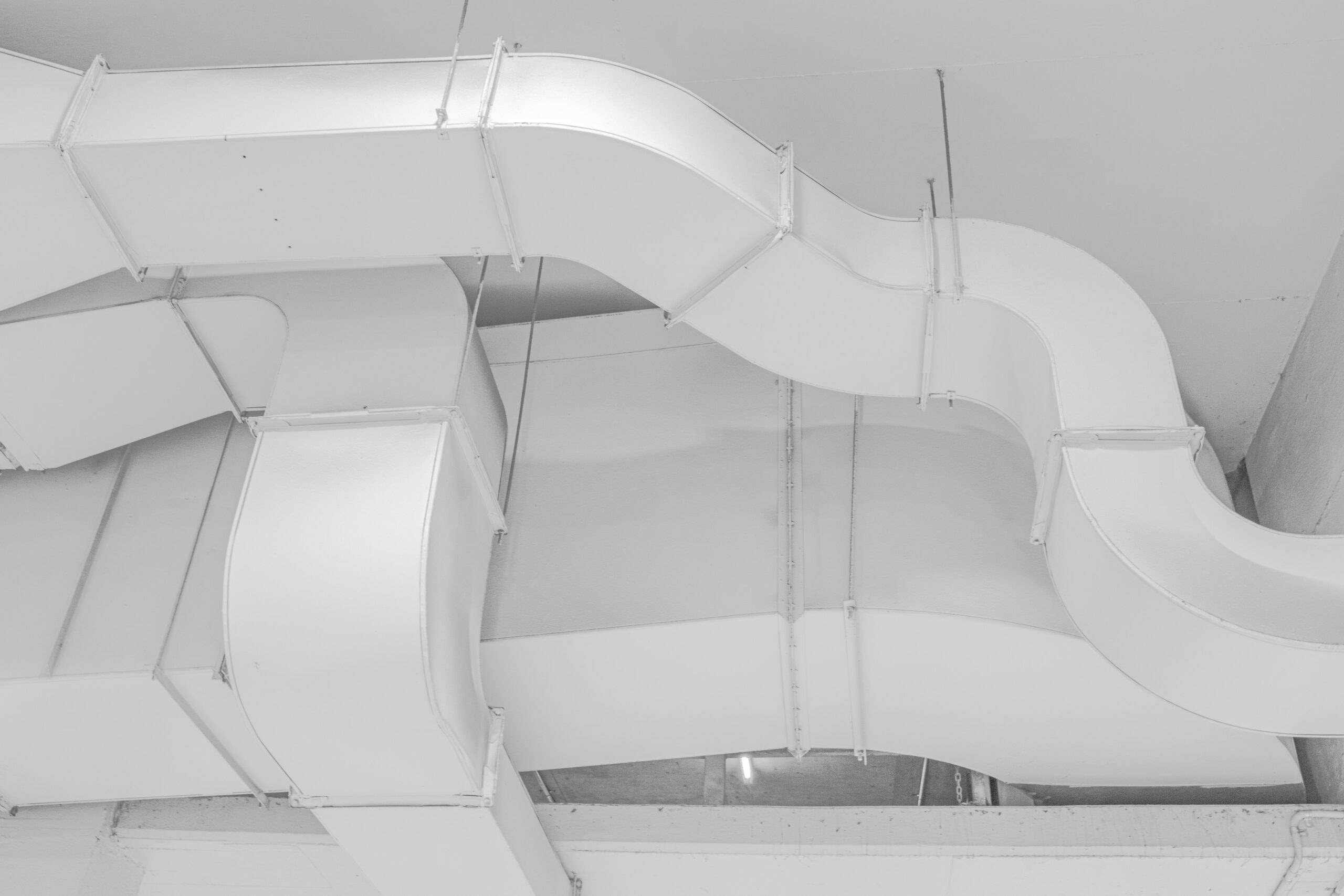
Good airflow allows a heat pump to distribute heating and cooling more effectively. Blocked vents, dirty filters, or problems with ductwork can interfere with this process.
Make sure supply and return vents are not blocked by furniture, rugs, curtains, or other household items. If certain rooms consistently feel much warmer or colder than others, there may be an airflow or ductwork issue that needs professional attention.
Improving airflow can help the system maintain more consistent temperatures without unnecessary operation.
Use Your Thermostat Efficiently
Frequent and dramatic thermostat adjustments can make it more difficult for your heat pump to maintain comfortable temperatures efficiently. Heat pumps generally work well when they maintain a relatively consistent indoor temperature.
A programmable or smart thermostat can help manage temperatures according to your daily schedule. Instead of constantly changing the setting manually, homeowners can create a schedule that reduces heating or cooling when the home is unoccupied.
Improve Your Home’s Insulation
Even an efficient heat pump can struggle if a home loses conditioned air quickly. Poor insulation and air leaks allow heated or cooled air to escape, increasing the amount of work required to maintain the desired temperature.
Sealing noticeable drafts and improving insulation where needed can help your home retain conditioned air. This can reduce the demand placed on the heat pump and improve overall comfort.
Keep the Outdoor Unit Clear
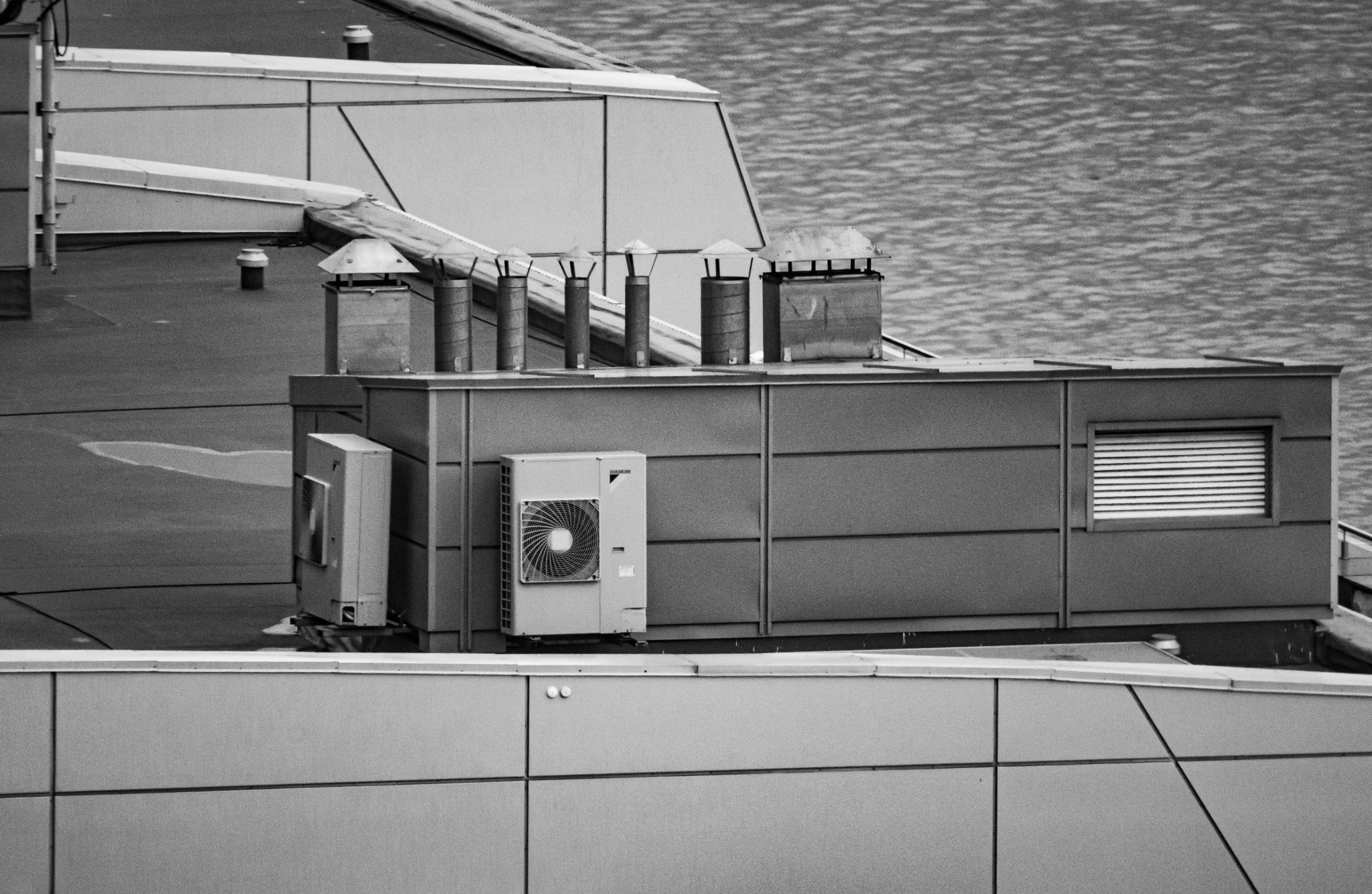
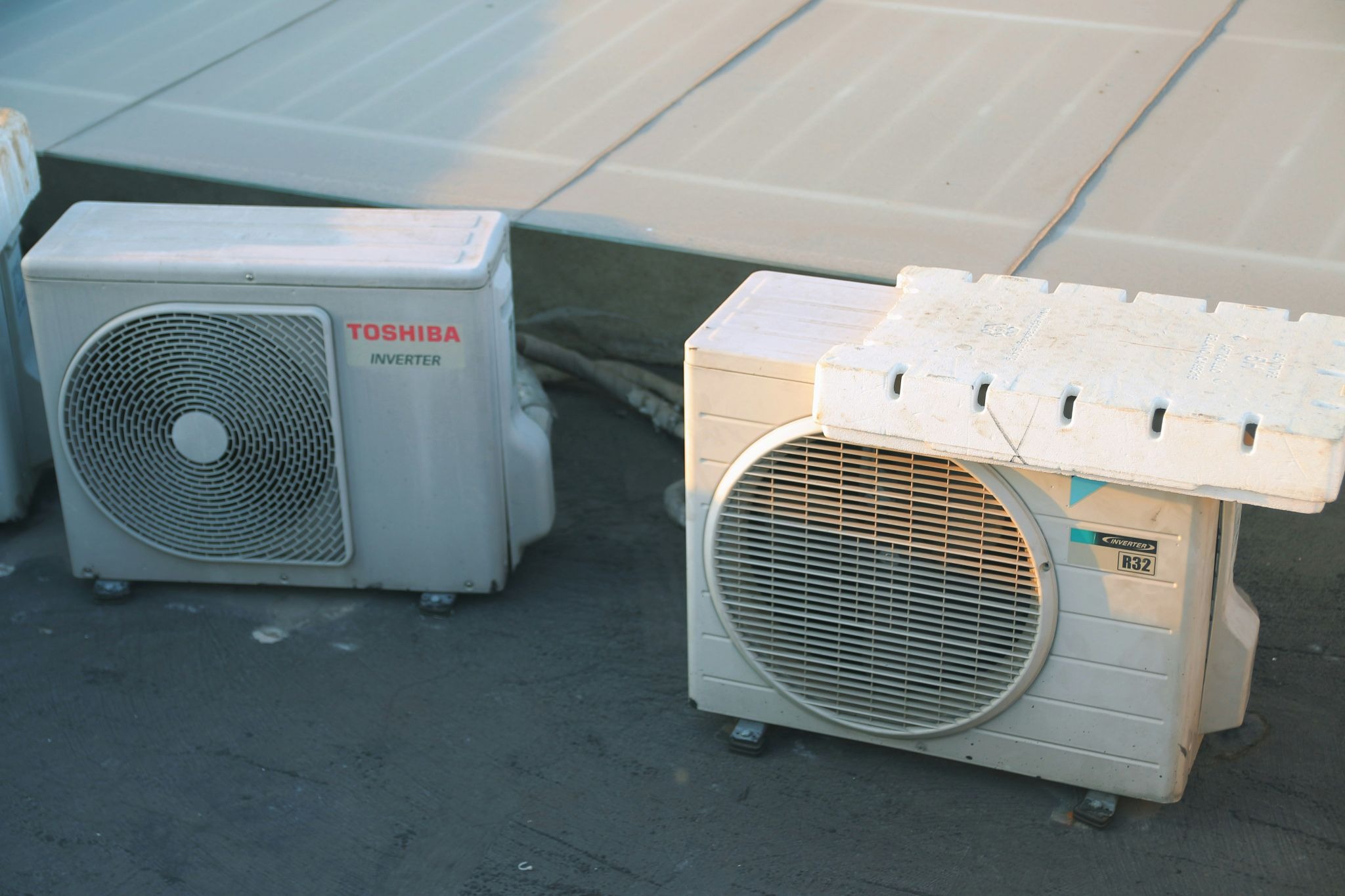
The outdoor portion of a heat pump needs adequate airflow to operate properly. Leaves, grass, dirt, and other debris can accumulate around the unit and restrict airflow.
Keep the area surrounding the outdoor unit clear and periodically check for visible debris. Avoid placing objects directly around the equipment that could interfere with airflow.
Conclusion
Improving heat pump efficiency involves more than adjusting the thermostat. Regular maintenance, clean filters, good airflow, proper insulation, and a clear outdoor unit can all help your system operate effectively. Maryland homeowners can support long-term heat pump performance by addressing efficiency issues early and maintaining their equipment throughout the year.