Most homeowners know they should change their HVAC air filter every so often, but many don’t realize just how important this simple maintenance task really is. A dirty air filter does much more than reduce airflow. It can put unnecessary stress on your entire air conditioning system, increase your utility bills, reduce indoor comfort, and even lead to costly repairs that could have been avoided.
Throughout Montgomery County, Howard County, Anne Arundel County, Frederick County, Rockville, Columbia, Ellicott City, Bethesda, and Potomac, summer temperatures place significant demands on air conditioning systems. When a dirty air filter restricts airflow, your AC has to work even harder to keep your home comfortable.
Fortunately, replacing your air filter is one of the easiest and most affordable ways to protect your HVAC system.
What Does an Air Filter Actually Do?
Your HVAC air filter serves two important purposes.
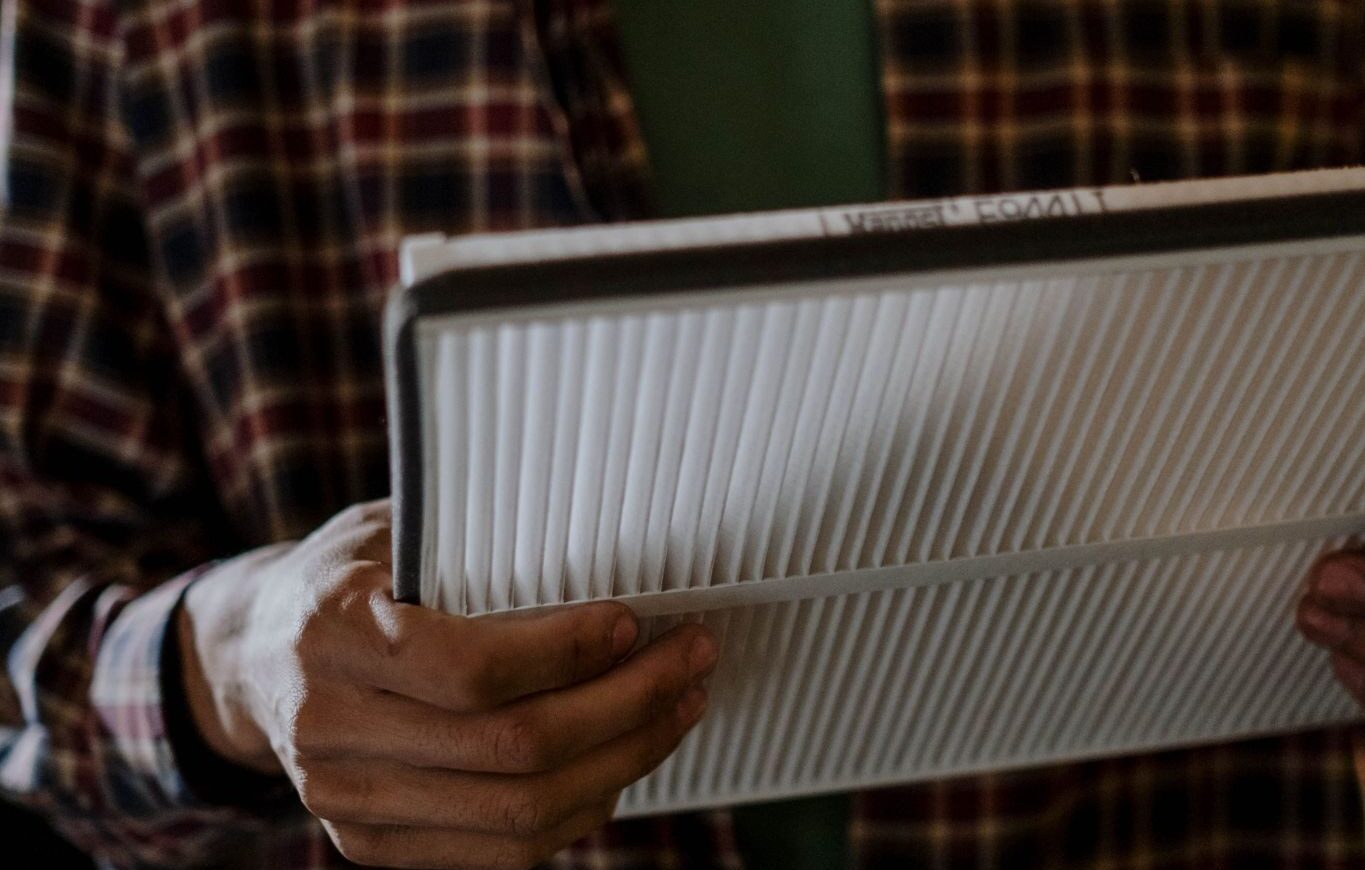
First, it removes airborne particles like dust, pollen, pet dander, lint, and other contaminants before they circulate throughout your home.
Second, it protects your HVAC equipment by preventing debris from reaching sensitive components like the evaporator coil and blower motor.
When the filter becomes clogged, both your indoor air quality and your HVAC system begin to suffer.
How Dirty Air Filters Restrict Airflow
Every air conditioner depends on proper airflow to operate efficiently.
As the filter collects dirt over time, less air is able to pass through the system. Instead of circulating cool air efficiently, the blower motor has to work harder to push air through the clogged filter.
Restricted airflow causes several problems, including:
- Longer cooling cycles
- Higher energy consumption
- Reduced indoor comfort
- Increased wear on HVAC components
Many homeowners mistake these symptoms for an aging air conditioner when the real culprit is simply a dirty filter.
For more information check out our article How to Maintain Your AC Unit.
Your AC Has to Run Longer
When airflow decreases, your home takes longer to cool.
Instead of cycling on and off normally, your air conditioner may run continuously throughout the hottest parts of the day.
Longer operating times increase wear on nearly every component, including:
- Compressor
- Blower motor
- Capacitors
- Fan motors
- Electrical components
Over time, this additional strain can shorten the life of your entire HVAC system.
Dirty Filters Can Cause Frozen Evaporator Coils
One of the most common problems caused by restricted airflow is a frozen evaporator coil.
The evaporator coil relies on warm indoor air flowing across it. When airflow is reduced, the coil becomes too cold, allowing moisture to freeze on its surface.
As more ice develops, airflow decreases even further.
Eventually you may notice:
- Warm air from the vents
- Ice on refrigerant lines
- Water around the indoor unit after the ice melts
- Poor cooling performance
Many homeowners assume they need refrigerant when the actual problem started with a neglected air filter.
Higher Utility Bills
A dirty filter makes your HVAC system less efficient.
Because the system runs longer to produce the same amount of cooling, it consumes more electricity.
Many Maryland homeowners notice their electric bills climbing during the summer without realizing their HVAC system is working much harder than necessary.
Replacing a relatively inexpensive air filter can help improve efficiency and reduce monthly operating costs.
According to the U.S. Department of Energy, replacing a dirty filter regularly can lower your air conditioner’s energy consumption while improving airflow.
Poor Indoor Air Quality
A clogged filter can no longer capture airborne contaminants effectively.
Dust, pollen, pet hair, and allergens begin circulating throughout your home.
This may contribute to:
- Increased dust buildup
- Allergy symptoms
- Respiratory irritation
- Reduced indoor comfort
For families with asthma or seasonal allergies, changing filters regularly can make a noticeable difference.
Extra Stress on the Blower Motor
The blower motor is responsible for circulating conditioned air throughout your home.
When airflow becomes restricted, the blower must work much harder to move air through the clogged filter.
Over time this additional strain may lead to:
- Overheating
- Premature motor wear
- Electrical failures
- Costly repairs
Replacing a filter costs only a fraction of what replacing a blower motor may cost.
Dirty Filters Can Hide Other HVAC Problems
Routine filter replacement also gives homeowners an opportunity to inspect their HVAC system.
While replacing the filter, you may notice:
- Water around the indoor unit
- Unusual noises
- Ice formation
- Dirt buildup
- Loose duct connections
Identifying these issues early often prevents much larger repairs later.
If something doesn’t look right, scheduling a professional HVAC inspection is a smart next step.
How Often Should You Replace Your Air Filter?
Every home is different, but general recommendations include:
Every 30 to 60 days if you have pets
Every 60 to 90 days for average households
More frequently during periods of heavy HVAC use
More often if someone in the home has allergies
Homes throughout Maryland often require more frequent filter changes during the summer because air conditioners run much longer.
Professional Maintenance Goes Beyond Filter Changes
Changing your filter is essential, but it does not replace professional maintenance.
During an HVAC tune-up, technicians also inspect:
- Refrigerant levels
- Electrical connections
- Condenser coils
- Evaporator coils
- Condensate drain
- Thermostat operation
- Blower performance
These inspections help identify small problems before they become expensive emergency repairs.
Warning Signs Your Filter May Be Overdue
You may need a new filter if you notice:
- Weak airflow
- Rooms cooling unevenly
- Dust collecting quickly
- Higher utility bills
- Longer cooling cycles
- Increased allergy symptoms
- The filter appears gray or black
Waiting too long increases strain on your HVAC system and raises the likelihood of future repairs.
Protect Your Air Conditioner With Simple Preventive Maintenance
A dirty air filter might seem like a minor issue, but it can quickly lead to frozen coils, blower motor problems, higher energy bills, reduced indoor comfort, and expensive AC repairs.
Replacing your air filter regularly is one of the simplest ways to extend the life of your HVAC system while improving efficiency and indoor air quality.
If your air conditioner is struggling to keep your home comfortable or you’ve noticed weak airflow, unusual noises, or rising utility bills, Four Seasons Heating & Cooling can help. We provide professional cooling services throughout Maryland communities.