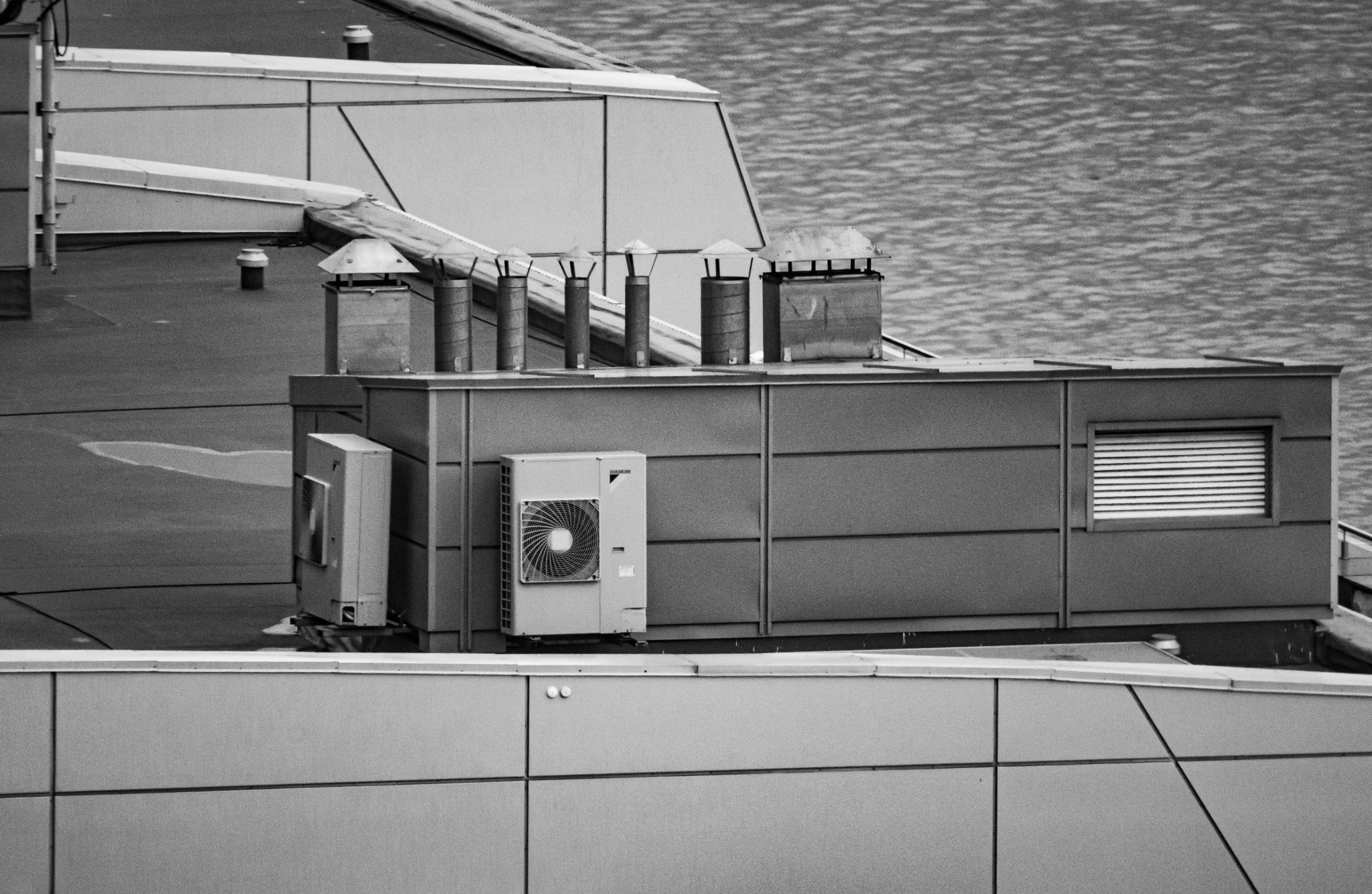
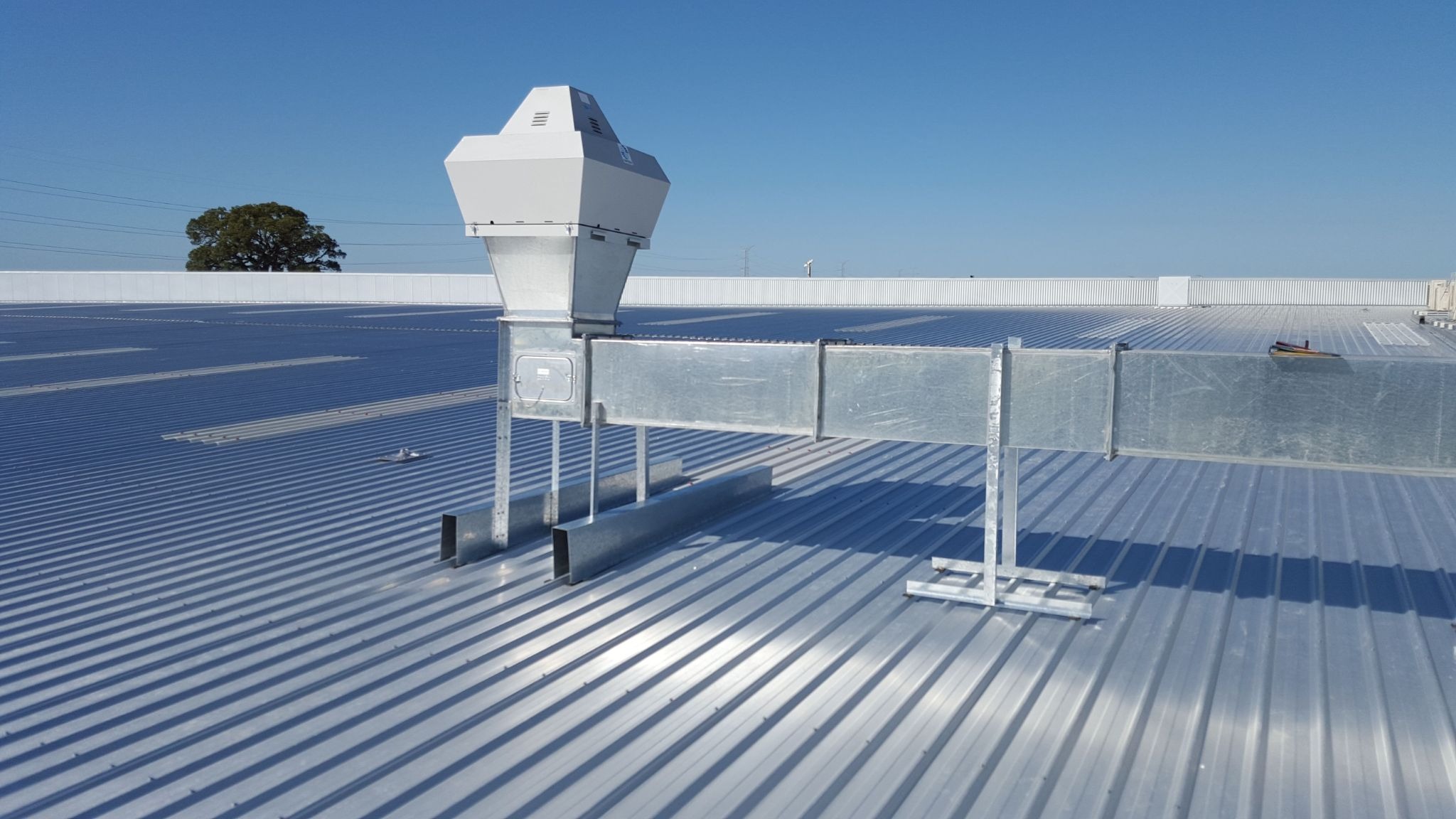
Commercial buildings depend heavily on rooftop HVAC units to maintain comfortable indoor environments. Whether it is an office building in Rockville, a retail space in Columbia, or a warehouse in Frederick County, rooftop units quietly run in the background keeping employees, customers, and tenants comfortable.
The problem is that rooftop units are often out of sight and out of mind. Because they are not easily visible, maintenance gets delayed or skipped entirely. Over time, dirt, debris, and wear build up inside the system, and that buildup directly translates into higher energy bills and lower system performance.
For business owners and property managers in Maryland, understanding how dirty rooftop units affect energy usage can help prevent unnecessary costs and avoid expensive repairs.
Why Rooftop Units Get Dirty Faster Than You Think
Rooftop HVAC systems are exposed to the elements all year long. Unlike indoor systems, they deal directly with:
- Rain and moisture
- Snow and ice
- Pollen and dust
- Pollution and vehicle emissions
- Leaves and debris from nearby trees
Even when filters are in place, outdoor exposure means coils, fans, and condenser components gradually accumulate dirt.
Once buildup begins, efficiency drops quickly.
A thin layer of dust on condenser coils alone can reduce heat transfer significantly, forcing the system to work harder to achieve the same cooling effect.
Dirty Coils Force the System to Work Harder
The most common issue with neglected rooftop units is dirty condenser and evaporator coils.
When coils are clean, heat transfers efficiently. When they are dirty, the system struggles to release heat.
This leads to:
- Longer run times
- Increased compressor strain
- Higher electricity consumption
- Reduced cooling capacity
In simple terms, the system has to work longer and harder to produce the same results.
Over time, this extra workload leads directly to higher utility bills.
For businesses already managing tight operating budgets, even small efficiency losses can add up across an entire building.
Restricted Airflow Increases Energy Consumption
Dirty rooftop units do not just suffer from coil issues. Airflow restrictions also play a major role in rising energy costs.
Common causes include:
- Clogged air filters
- Dust buildup inside ductwork
- Blocked return or supply vents
- Debris around outdoor intake areas
When airflow is restricted, the system cannot circulate air efficiently. This forces fans and motors to run longer cycles.
The result is:
- Higher energy usage
- Uneven temperatures across the building
- Increased wear on motors and blowers
If airflow problems persist, they can eventually lead to full system failure.
Routine Commercial HVAC Maintenance is one of the most effective ways to prevent these issues.
Short Cycling and Overworking the System
Dirty rooftop units often begin short cycling, which means the system turns on and off more frequently than normal.
This happens because:
- Sensors misread temperature levels due to poor airflow
- The system overheats
- Cooling demand is not met efficiently
Short cycling is extremely inefficient because every startup requires a large surge of energy.
Instead of running steadily at optimal efficiency, the system wastes energy repeatedly restarting throughout the day.
This is one of the hidden reasons commercial energy bills increase without obvious explanation.
Increased Strain on the Compressor
The compressor is one of the most expensive components in any HVAC system.
When rooftop units are dirty, the compressor must work harder to maintain pressure and cooling output.
Over time, this leads to:
- Higher operating temperatures
- Increased electrical draw
- Greater risk of overheating
- Premature failure
Replacing a compressor in a commercial system is often significantly more expensive than routine maintenance.
This is why preventative care such as Rooftop Unit Services and scheduled inspections is essential for cost control.
Uneven Cooling Leads to Customer and Employee Comfort Issues
Dirty rooftop units do not only affect energy bills. They also impact comfort.
In commercial buildings, you may notice:
- Hot and cold spots
- Poor airflow in certain areas
- Complaints from employees or customers
- Difficulty maintaining consistent thermostat settings
When comfort drops, businesses often respond by lowering thermostat settings even further, which increases energy usage even more.
This creates a cycle of inefficiency that continues to drive up costs.
Higher Humidity Levels Increase Cooling Demand
In Maryland, humidity is already a major challenge during warmer months. Dirty rooftop units struggle even more to remove moisture from the air.
When humidity is not properly controlled:
- Indoor air feels warmer than it is
- Occupants lower thermostats unnecessarily
- Cooling systems run longer cycles
This is especially noticeable in areas like Bethesda, Potomac, and Anne Arundel County where summer humidity can be intense.
Proper maintenance helps ensure coils and drainage systems are working correctly so humidity is managed efficiently.
Emergency Repairs Cost More Than Preventive Maintenance
One of the biggest financial impacts of neglected rooftop units is emergency repair costs.
When a system fails unexpectedly, businesses often face:
- After-hours service fees
- Urgent replacement parts
- Downtime and productivity loss
- Potential disruption to customers or tenants
These costs are significantly higher than routine Commercial HVAC Repair or scheduled maintenance visits.
Preventive maintenance helps identify small issues before they turn into major system failures.
Energy Waste Adds Up Over Time
Even small inefficiencies in HVAC performance can lead to large financial losses over time.
For example:
- A 10 percent efficiency loss on a large commercial HVAC system can translate into thousands of dollars per year in wasted energy
- Multiple rooftop units compound this cost even further
- Older systems are even more vulnerable to efficiency loss from dirt and wear
This is why regular cleaning and inspection is not optional for commercial property owners who want to control operating costs.
Rooftop Unit Maintenance Checklist
To reduce energy waste and extend system life, commercial property owners should ensure rooftop units are regularly inspected for:
- Coil cleanliness
- Airflow performance
- Refrigerant levels
- Electrical connection integrity
- Fan and motor condition
- Filter replacement
- Drain line blockages
A full inspection should be performed at least twice per year, ideally before peak heating and cooling seasons.
The U.S. Department of Energy provides guidance on maintaining HVAC systems for optimal performance and reduced energy consumption.
Final Thoughts
Dirty rooftop HVAC units are one of the most overlooked causes of rising commercial energy bills. Because the system is hidden from daily view, it is easy to forget how much dirt, debris, and wear can accumulate over time.
However, the financial impact is very real.
Higher energy consumption, increased strain on components, poor airflow, and reduced cooling efficiency all contribute to rising operating costs.
Regular Commercial HVAC Maintenance, cleaning, and inspection are the most effective ways to prevent these issues and keep rooftop units operating efficiently.