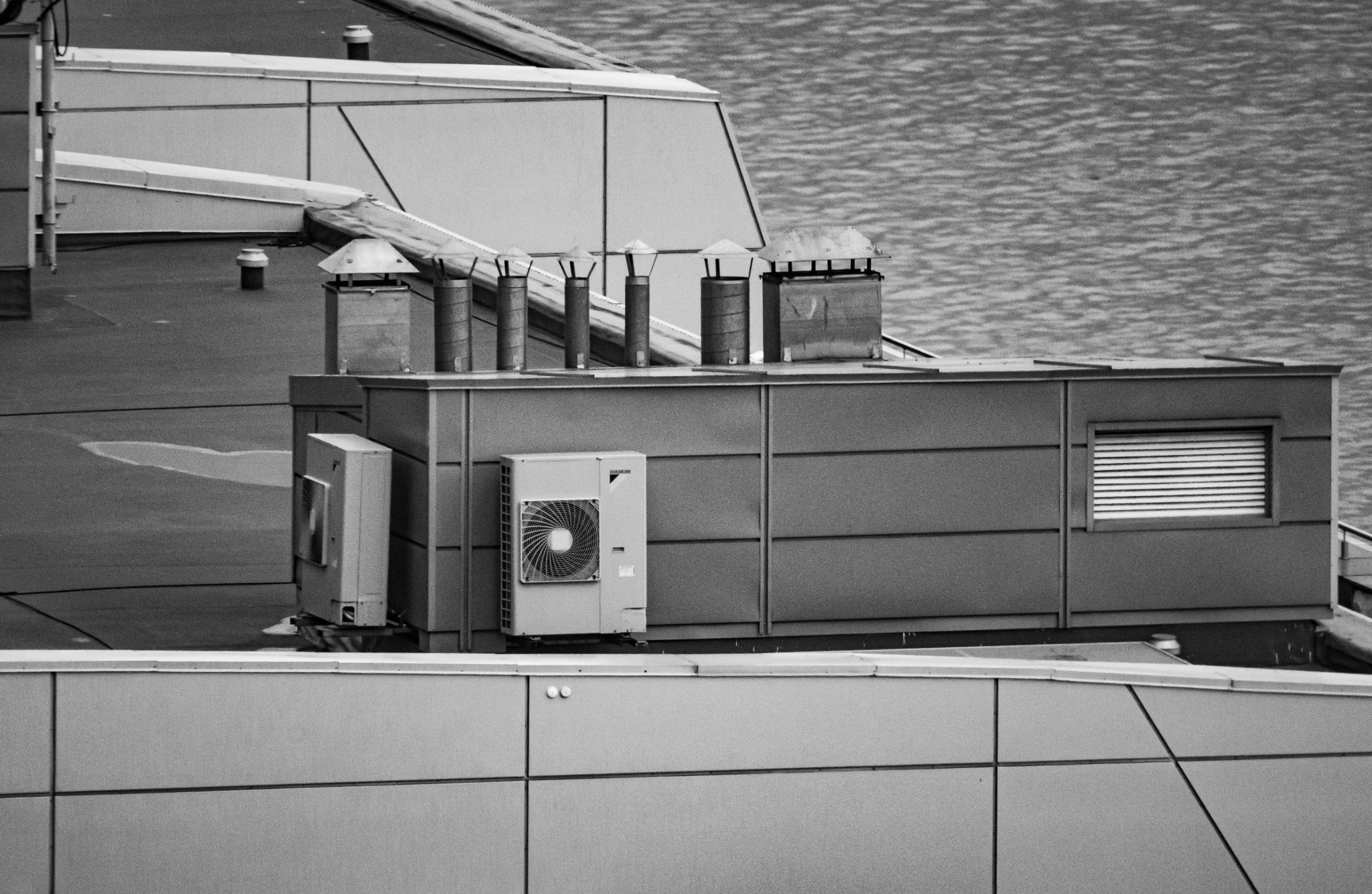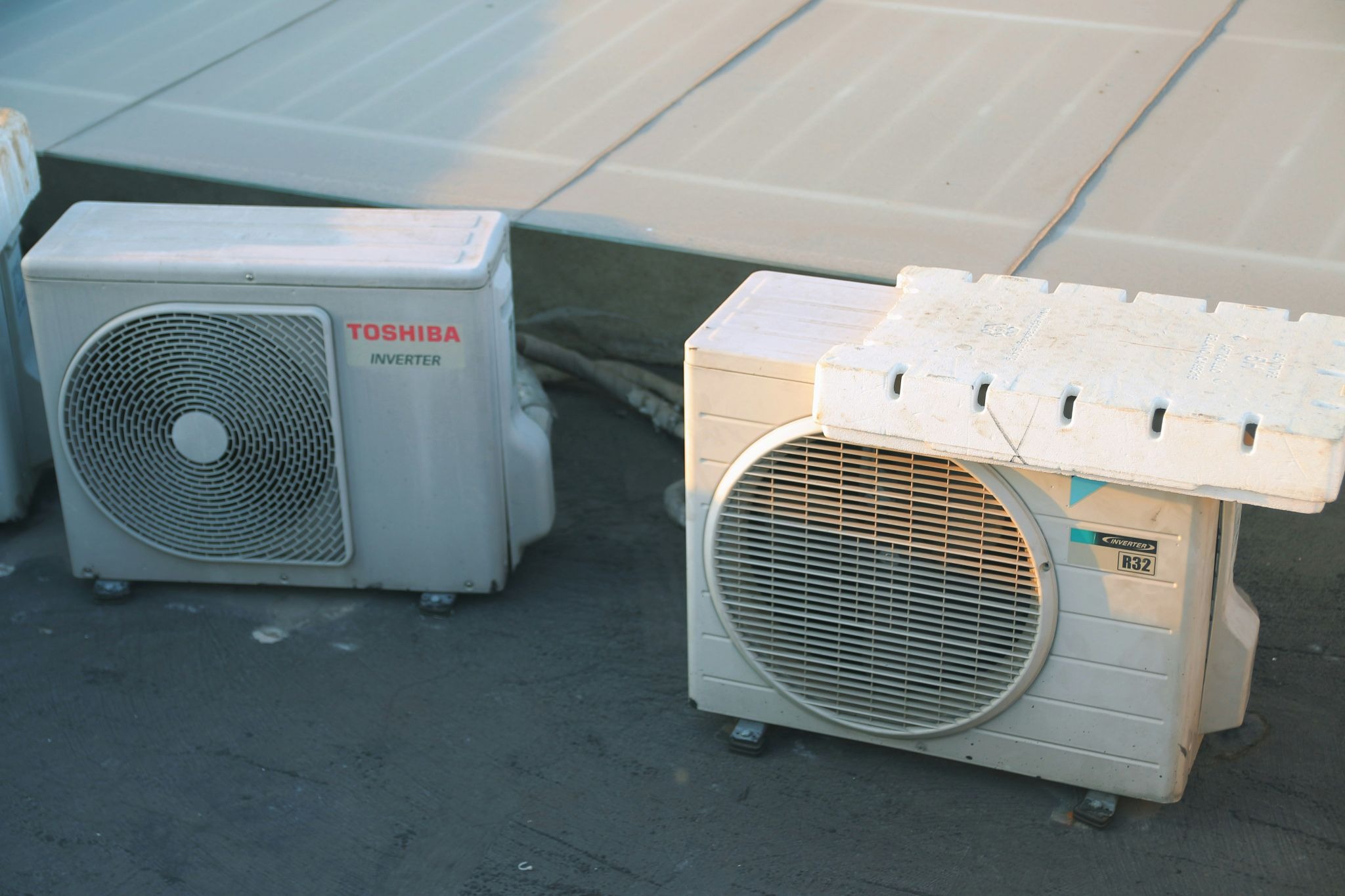
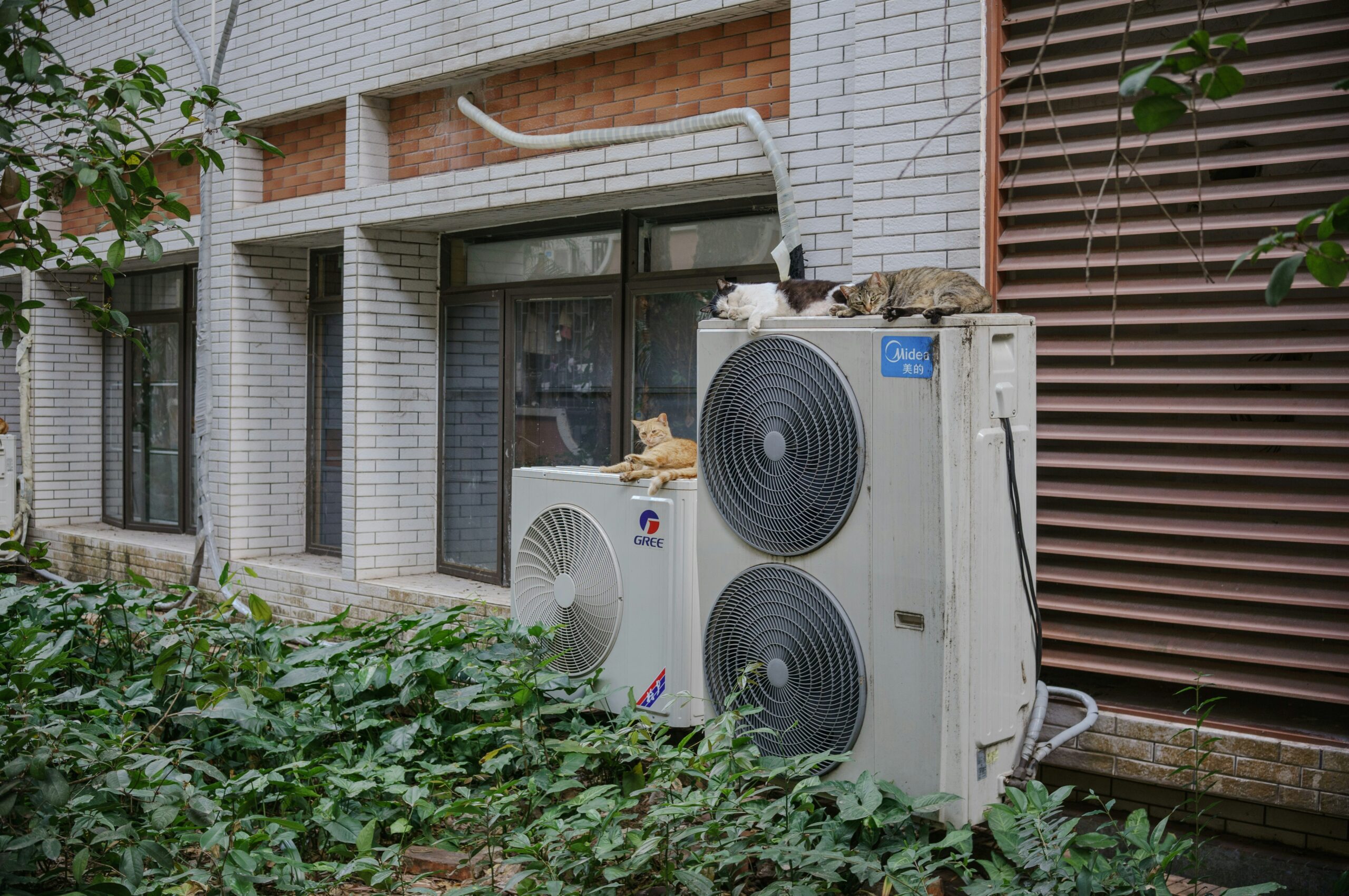
Rooftop HVAC units should generally receive professional maintenance at least twice a year, although the ideal schedule depends on the equipment, building, usage, and operating conditions. Many businesses schedule maintenance before the primary heating and cooling seasons so technicians can identify potential problems before periods of heavy use. Commercial rooftop units often operate for long hours and are exposed to outdoor conditions, making regular maintenance especially important. Consistent inspections can help maintain efficiency, identify worn components, reduce unexpected breakdowns, and keep the building comfortable for employees, customers, and occupants.
Why Rooftop Units Need Regular Maintenance
Rooftop HVAC units have to operate in demanding conditions. Unlike indoor equipment, the outdoor components are exposed to rain, snow, wind, dirt, leaves, and changing temperatures.
Commercial systems may also operate for extended periods each day. This increased workload can contribute to normal wear and tear on components.
Regular maintenance gives technicians an opportunity to inspect the equipment and identify issues before they become larger problems. It can also help businesses keep track of the system’s condition and plan for repairs or eventual replacement.
Seasonal Maintenance Is Especially Important
Scheduling rooftop HVAC maintenance before the heating and cooling seasons is a practical approach for many businesses.
A spring inspection can prepare the system for increased air conditioning demand during the summer. A fall inspection can help ensure heating components are ready before colder weather arrives.
Addressing problems before peak seasons can reduce the likelihood of an unexpected breakdown when the HVAC system is needed most.
What Can Happen Without Regular Maintenance?
Skipping maintenance can allow small problems to develop into larger ones. Dirty components, restricted airflow, worn belts, electrical issues, and other problems can affect how efficiently a rooftop unit operates.
An inefficient system may need to run longer to maintain the desired indoor temperature, potentially increasing energy consumption.
Unexpected breakdowns can also disrupt business operations. Depending on the type of business, a loss of heating or cooling can affect employee productivity, customer comfort, equipment, inventory, or daily operations.
Do Some Businesses Need More Frequent Maintenance?
Some commercial properties may benefit from maintenance more frequently than twice a year. Rooftop units that operate nearly continuously or serve buildings with high occupancy may experience more wear.
Restaurants, retail businesses, offices, warehouses, and other commercial facilities can have very different HVAC demands. The age and condition of the equipment also matter.
A professional HVAC provider can recommend a maintenance schedule based on the specific rooftop units and how heavily they are used.
Maintenance Can Help Protect Your Investment
Commercial rooftop HVAC equipment represents a significant investment. Regular maintenance can help businesses get more reliable performance from their systems and identify developing problems before they result in major repairs.
Maintenance should not be viewed only as a way to fix problems. It is also an opportunity to monitor equipment condition and plan for future service needs.
Conclusion
For many businesses, rooftop HVAC units should be professionally maintained at least twice a year, with service scheduled before the major heating and cooling seasons. Systems with heavy usage or demanding operating conditions may require more frequent attention. A consistent maintenance schedule can help businesses improve reliability, support efficient operation, and reduce the risk of unexpected HVAC disruptions.