When your air conditioner seems to run all day but your home never reaches the temperature you’ve set, it can be both frustrating and expensive. Many Maryland homeowners assume that constant operation means their AC is simply working hard during the summer. While hot weather certainly increases demand, an air conditioner that rarely shuts off often indicates an underlying problem.
If you live in Montgomery County, Howard County, Anne Arundel County, Frederick County, Rockville, Columbia, Ellicott City, Bethesda, or Potomac, understanding why your AC keeps running can help you prevent expensive repairs and restore comfort before the problem gets worse.
Is It Normal for an AC to Run All Day?
During extremely hot Maryland afternoons, your air conditioner may run longer than usual. However, it should still cycle off periodically once your home reaches the desired temperature.
If your AC runs for hours without cooling your home effectively, something is likely preventing it from operating efficiently.
Common warning signs include:
- Your thermostat never reaches the set temperature.
- Certain rooms remain warmer than others.
- Your energy bills keep increasing.
- The system runs almost continuously.
- Indoor humidity feels unusually high.
These symptoms should not be ignored because prolonged operation increases wear on every major HVAC component.
Dirty Air Filters Restrict Airflow
One of the most common causes of poor cooling is a clogged air filter.
When airflow becomes restricted, your air conditioner struggles to circulate enough cooled air throughout your home. The system compensates by running longer, but comfort often continues to decline.
Dirty filters can also contribute to:
- Frozen evaporator coils
- Reduced efficiency
- Higher energy bills
- Increased strain on the blower motor
Replacing your filter every one to three months is one of the easiest ways to improve HVAC performance.
Check out our article How to Maintain Your AC Unit.
Your Air Conditioner May Need Professional Maintenance
Even if your filter is clean, dust and debris can build up inside your system over time.
Dirty coils, worn components, and minor refrigerant issues all reduce efficiency.
A professional maintenance visit includes inspections that most homeowners cannot safely perform themselves.
Routine maintenance typically includes:
- Cleaning condenser coils
- Inspecting evaporator coils
- Checking refrigerant levels
- Testing electrical components
- Cleaning condensate drains
- Verifying thermostat accuracy
These services help restore efficiency before small issues become major repairs.
Maryland Humidity Makes Cooling More Difficult
Maryland summers are not only hot but also extremely humid.
Your air conditioner removes both heat and moisture from indoor air. When humidity levels rise, your system must work significantly harder.
Even if your thermostat shows 72°F, excessive humidity can make your home feel much warmer.
Signs humidity is contributing to poor comfort include:
- Sticky indoor air
- Musty odors
- Condensation on windows
- Long cooling cycles
Improving humidity control often makes your home feel cooler without lowering the thermostat
According to ENERGY STAR, improving cooling efficiency and maintaining HVAC equipment can significantly reduce energy use while improving indoor comfort.
Low Refrigerant Can Reduce Cooling Capacity
Your air conditioner does not consume refrigerant during normal operation.
If refrigerant levels are low, there is usually a leak somewhere within the system.
Low refrigerant often causes:
- Warm air from vents
- Ice on refrigerant lines
- Longer run times
- Poor cooling performance
Because refrigerant handling requires specialized equipment, this is not a DIY repair.
Your Thermostat Could Be Causing the Problem
Sometimes the air conditioner is functioning correctly while the thermostat is not.
Possible thermostat issues include:
- Dead batteries
- Poor placement near windows
- Incorrect programming
- Faulty temperature sensors
- Outdated equipment
A thermostat located in direct sunlight may think your home is warmer than it actually is, causing unnecessary cooling cycles.
During an HVAC inspection, technicians verify that the thermostat communicates correctly with your equipment.
Air Leaks Let Cool Air Escape
Even a perfectly functioning air conditioner cannot keep your home comfortable if cool air constantly escapes.
Common sources of air leaks include:
- Old windows
- Worn door seals
- Poor attic insulation
- Unsealed ductwork
Your HVAC system must replace this lost cooled air continuously, leading to longer operating times and higher energy bills.
Many homeowners focus on the air conditioner itself while overlooking the home’s overall efficiency.
Blocked Vents Reduce Airflow
Furniture, rugs, curtains, or closed supply vents can limit airflow throughout your home.
When cooled air cannot circulate properly:
- Some rooms stay warm.
- The thermostat remains unsatisfied.
- The system continues running.
Walk through your home and make sure supply and return vents remain fully open and unobstructed.
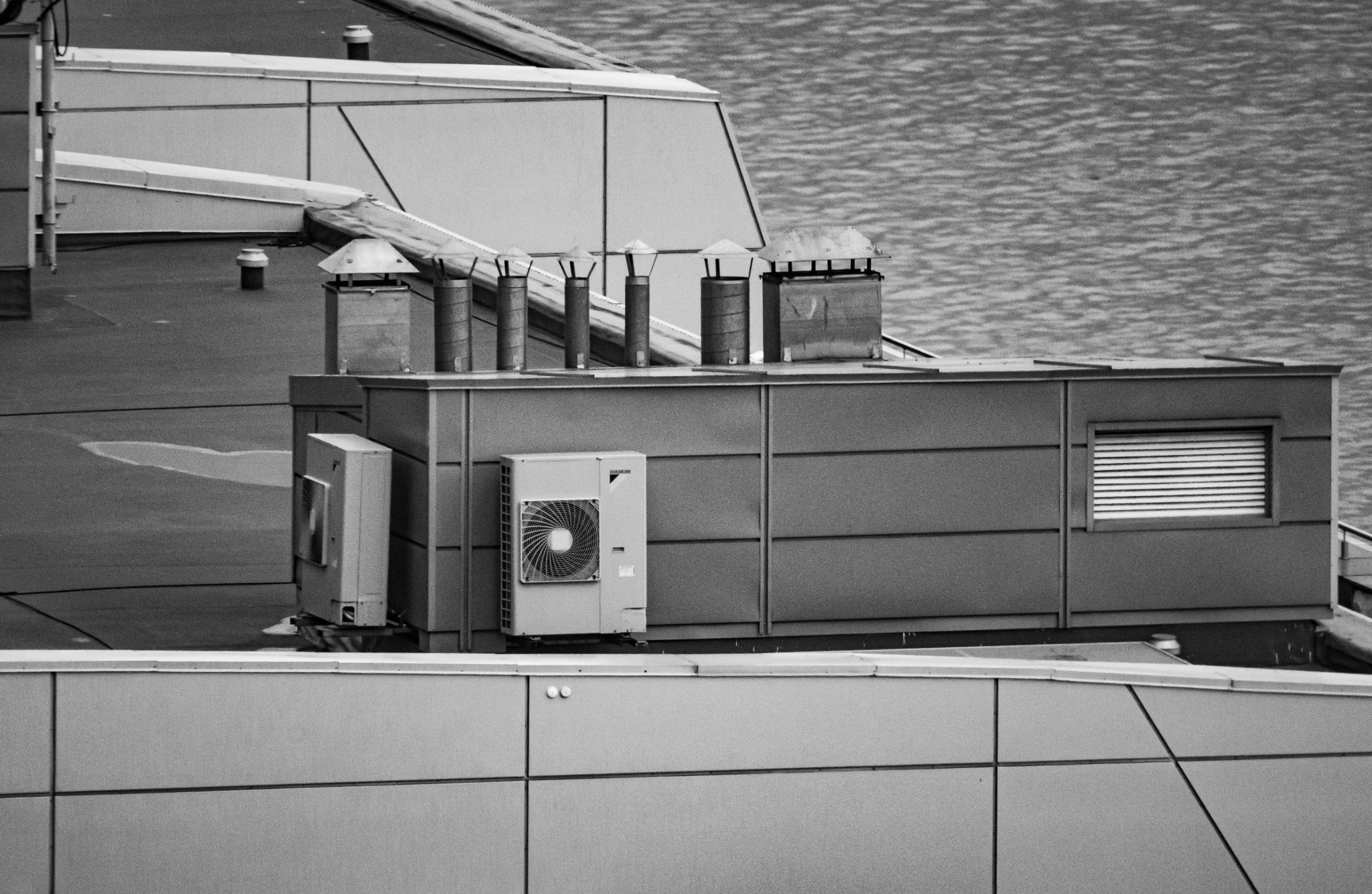
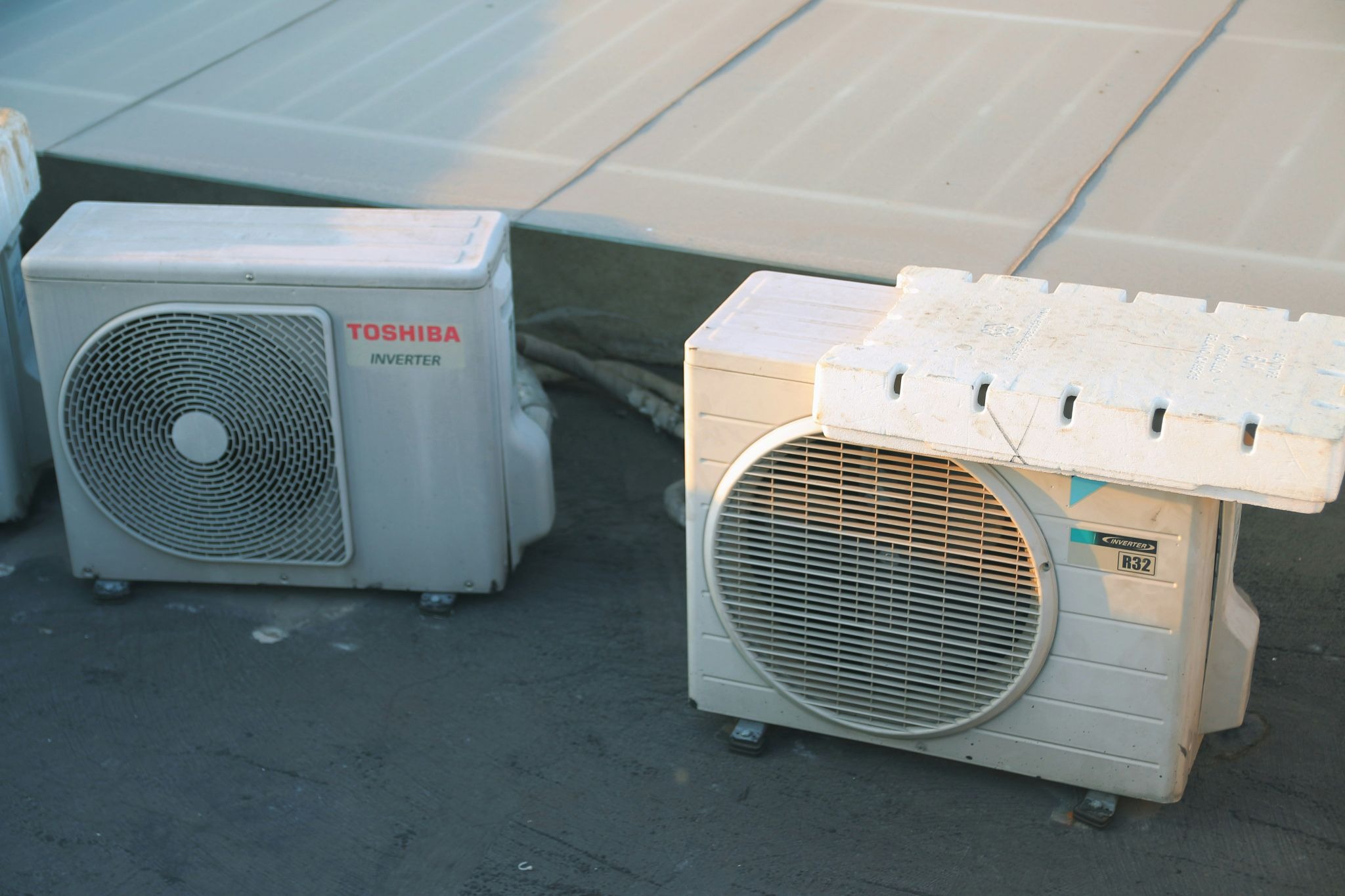
Your Outdoor Unit May Be Dirty
The outdoor condenser unit releases heat collected from inside your home.
When dirt, grass clippings, leaves, or debris cover the condenser coil, heat transfer becomes less effective.
This forces the compressor to operate longer while producing less cooling.
Homeowners should keep at least two feet of clearance around the outdoor unit.
Professional cleaning during seasonal maintenance removes buildup that ordinary rinsing cannot eliminate.
Your HVAC System May Be Too Small
Sometimes the issue is not maintenance at all.
If your HVAC system was improperly sized when installed, it may never have been capable of cooling the home effectively.
A system that is too small often:
- Runs continuously.
- Struggles during hot afternoons.
- Never reaches the thermostat setting.
- Experiences more wear over time.
An HVAC professional can evaluate whether your equipment matches your home’s cooling requirements.
Electrical Components Wear Out
Air conditioners rely on numerous electrical parts including:
- Capacitors
- Contactors
- Fan motors
- Compressors
As these components age, efficiency decreases.
The system may still operate but struggle to produce adequate cooling.
Routine inspections help identify aging components before they fail completely.
Don’t Ignore Rising Energy Bills
If your electric bill increases dramatically while indoor comfort decreases, your HVAC system is telling you something.
Long run times almost always mean the system is working harder than necessary.
Addressing the underlying issue early often prevents:
- Compressor failure
- Frozen coils
- Emergency service calls
- Expensive repairs
Ignoring the problem usually leads to even higher repair costs later.
When Should You Call an HVAC Professional?
Schedule an inspection if:
- Your AC runs constantly.
- Warm air comes from the vents.
- Indoor humidity feels high.
- Some rooms stay hot.
- Your thermostat never reaches the set temperature.
- Your energy bills continue increasing.
- Strange noises develop.
Professional diagnostics can quickly identify whether the issue involves airflow, refrigerant, electrical components, maintenance, or equipment sizing.
Keep Your Home Comfortable All Summer
An air conditioner that runs constantly while your home still feels warm is rarely operating as it should.
Whether the problem is a dirty filter, clogged condenser, refrigerant leak, poor airflow, or Maryland’s humid climate, early diagnosis can prevent larger repairs while improving comfort and lowering utility costs.
If your cooling system struggles to keep up this summer, Four Seasons Heating & Cooling provides professional AC repair, AC maintenance, HVAC tune-ups, HVAC inspections, and complete HVAC services throughout Maryland communities. Our experienced technicians can identify the cause of long cooling cycles and help restore reliable comfort to your home.