A commercial HVAC system plays an important role in keeping employees, customers, and building occupants comfortable throughout the year. However, even well-maintained equipment eventually reaches the point where repairs are no longer the most practical solution. Knowing when a business should replace its commercial HVAC system can help property owners avoid unexpected breakdowns, rising energy costs, and disruptions to daily operations.
There is no single replacement schedule that applies to every business. The age of the equipment, repair history, energy efficiency, comfort problems, and overall condition of the system should all be considered. For Maryland businesses, preparing ahead of time is especially important because commercial HVAC systems must handle both hot, humid summers and cold winters.
The HVAC System Is Reaching the End of Its Expected Life
Age is one of the first factors businesses should consider when deciding whether to replace commercial HVAC equipment. Commercial systems can have different lifespans depending on the equipment type, installation quality, usage, maintenance history, and operating environment.
As equipment gets older, components can become more difficult or expensive to repair. Older systems may also use more energy than newer, more efficient equipment.
If your commercial HVAC system has been operating for many years and is beginning to require frequent service, replacement may be worth considering even if it is still technically operational.
Businesses can also benefit from scheduling regular commercial HVAC maintenance to monitor equipment condition and identify when replacement may eventually become necessary.
Repairs Are Becoming More Frequent
Occasional HVAC repairs are normal, but frequent breakdowns can indicate that a commercial system is approaching the end of its useful life.
If your business has repeatedly needed repairs for the same system, add up the costs over time. A single repair may be reasonable, but multiple expensive repairs can make continued operation less financially attractive.
Frequent breakdowns can also create operational problems. A business may have to deal with uncomfortable employees, dissatisfied customers, or interruptions to normal operations while waiting for equipment to be repaired.
In some situations, investing in a new system can provide greater reliability than continuing to repair aging equipment.
Energy Bills Keep Increasing
Rising energy costs can be another indication that commercial HVAC equipment is losing efficiency.
Energy bills naturally fluctuate based on weather, occupancy, utility rates, and building usage. However, if your business is using similar amounts of heating and cooling but energy costs continue increasing, inefficient HVAC equipment could be contributing to the problem.
Older equipment may have to run longer to maintain the same indoor temperature as a newer, more efficient system.
Businesses can also look at maintenance as part of their energy strategy. Our article on How Preventive HVAC Maintenance Saves Money Over Time explains how routine service can help identify efficiency problems and reduce avoidable operating costs.
Your Building Has Uneven Temperatures
A commercial HVAC system should provide reasonably consistent comfort throughout the areas it is designed to serve. If some offices are consistently too hot while others remain too cold, there could be an issue with the HVAC system.
Uneven temperatures can result from several factors, including airflow problems, ductwork issues, failing components, improper system sizing, or an aging system that can no longer meet the building’s demands.
Before replacing the entire system, a professional HVAC technician should evaluate the problem. In some cases, a repair or airflow adjustment may solve the issue. In others, replacement may be the more appropriate long-term solution.
The System Requires Expensive Parts or Major Repairs
Some commercial HVAC repairs can be relatively straightforward, while others involve expensive components or significant labor.
When a major component fails on an older system, businesses should compare the repair cost with the potential benefits of replacing the equipment. The decision should also account for the likelihood of additional repairs in the future.
A professional evaluation can help determine whether repairing the existing system is financially sensible or whether replacement would provide better long-term value.
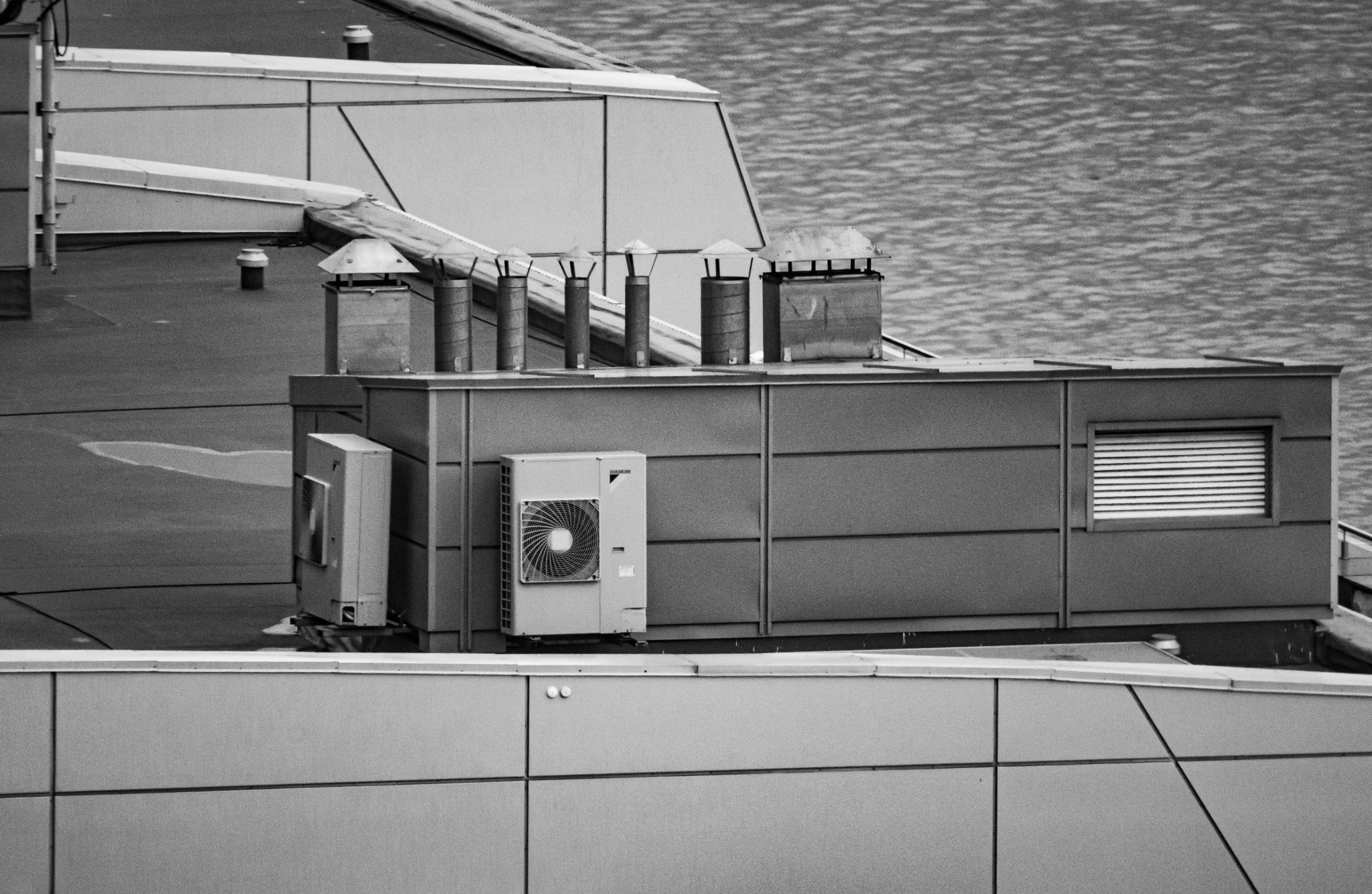
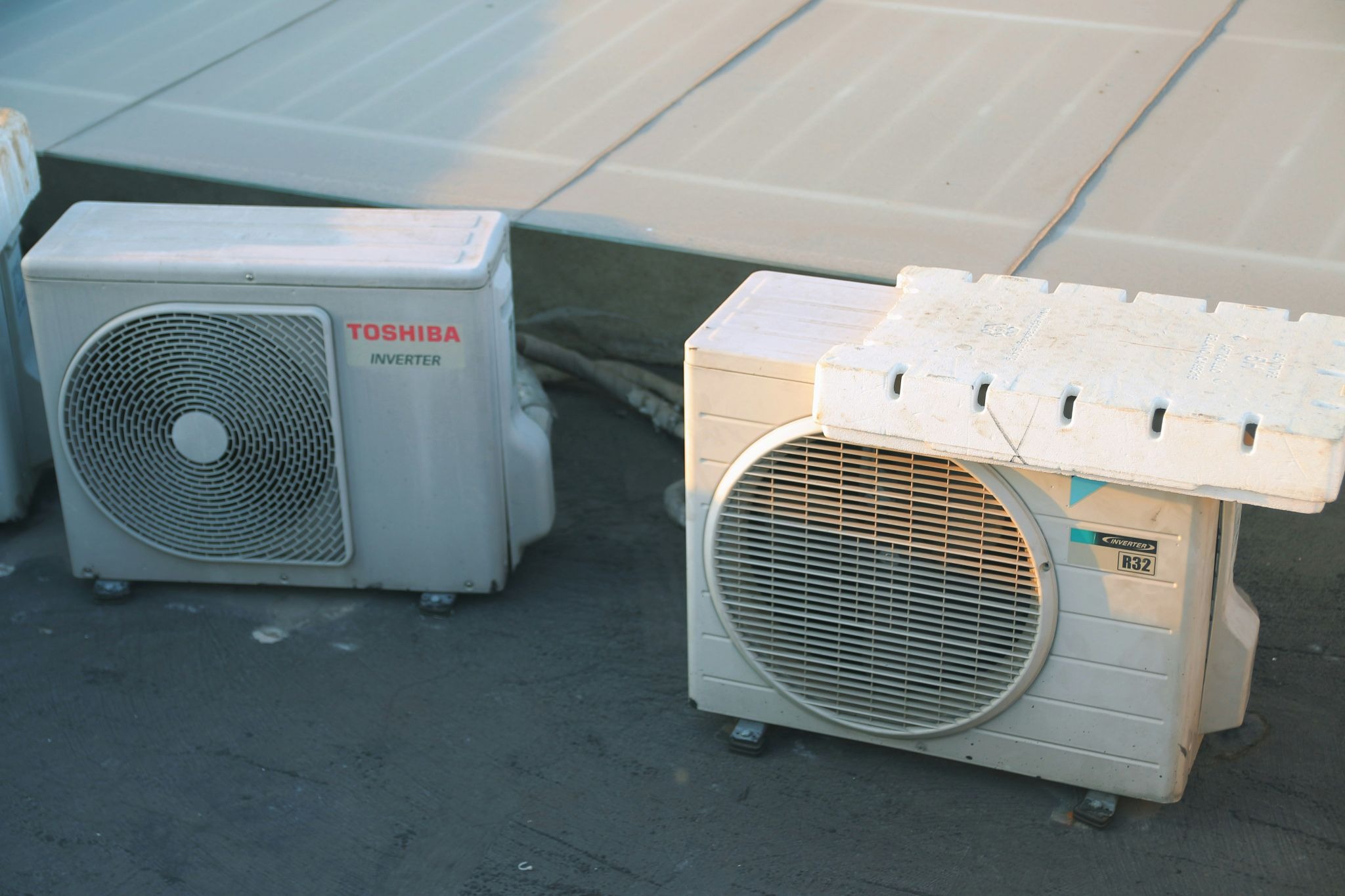
Businesses with rooftop HVAC equipment should pay particular attention to its condition. Problems involving older rooftop units can affect both comfort and operating expenses. How Dirty Rooftop Units Increase Commercial Energy Bills explains why keeping this equipment clean and properly maintained matters.
The HVAC System No Longer Meets Your Business’s Needs
A business’s HVAC requirements can change over time.
Perhaps your company has expanded, renovated the building, added employees, changed how rooms are used, or increased operating hours. The HVAC system that worked well several years ago may no longer be properly suited to the building.
An undersized system may struggle to maintain comfortable temperatures, while an improperly sized system can experience efficiency and performance problems.
When a business undergoes major changes, it is a good time to have the HVAC system evaluated and determine whether the existing equipment can continue meeting the building’s needs.
The System Is Causing Frequent Business Disruptions
An HVAC breakdown is more than an inconvenience for many businesses. Depending on the type of business and building, uncomfortable temperatures can affect productivity, customer experiences, inventory, equipment, and normal operations.
If your business repeatedly experiences HVAC emergencies, the cost may extend beyond the repair bill itself.
Planning a replacement before the existing system fails completely gives business owners more control over the process. Instead of making a rushed decision during an emergency, you can evaluate equipment options, schedule installation at a convenient time, and prepare financially.
Should You Repair or Replace Your Commercial HVAC System?
Replacing commercial HVAC equipment is a significant investment, so replacement is not automatically the right answer whenever a system experiences a problem.
A professional HVAC evaluation can help you compare the condition of your current equipment with the potential benefits of replacement. Consider the system’s age, repair history, energy consumption, reliability, comfort performance, and expected future maintenance costs.
If the equipment is relatively new and the problem is isolated, repair may make more sense. If the system is old, inefficient, unreliable, and increasingly expensive to maintain, replacement may provide better long-term value.
Plan Before Your System Fails
The best time to consider commercial HVAC replacement is often before the system experiences a major failure. Planning ahead gives your business time to research options and avoid making a rushed decision when employees and customers are already uncomfortable.
Regular inspections and maintenance can also provide valuable information about the condition of your equipment. If your HVAC professional identifies a component or system that is approaching the end of its useful life, you can begin planning for replacement rather than waiting for an emergency.
For businesses that need immediate assistance, Commercial HVAC Repair can address current system problems and help determine whether repair or replacement is the better option.
Keep Your Business Comfortable and Prepared
There is no universal age at which every commercial HVAC system needs to be replaced. However, frequent repairs, rising energy costs, uneven temperatures, expensive component failures, and an aging system can all be signs that replacement should be considered.
A proactive approach allows businesses to make decisions based on long-term operating costs and reliability rather than waiting for an unexpected breakdown.
If your commercial HVAC system is becoming unreliable or increasingly expensive to operate, contact Four Seasons Heating & Cooling to schedule a professional evaluation.