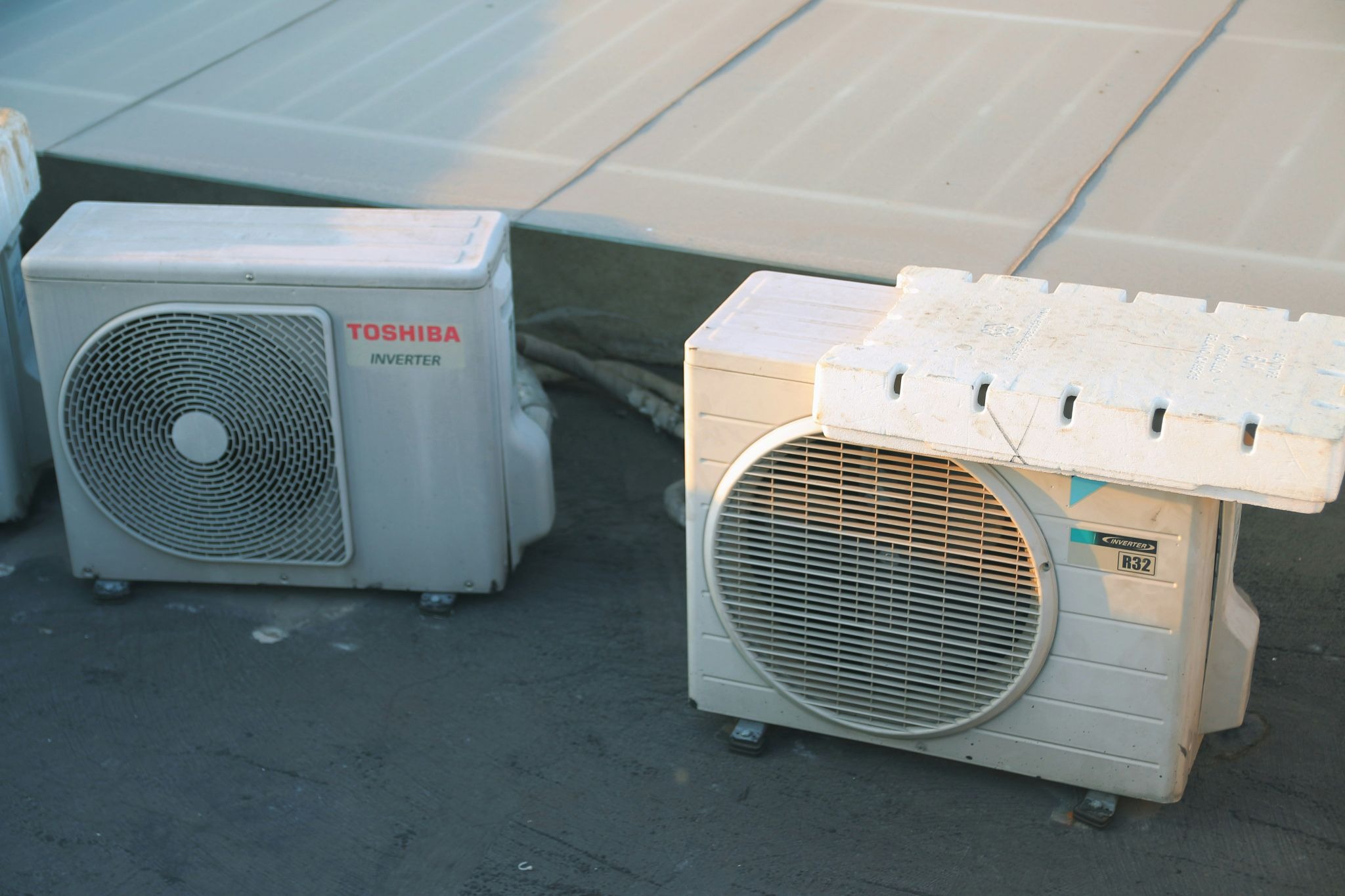
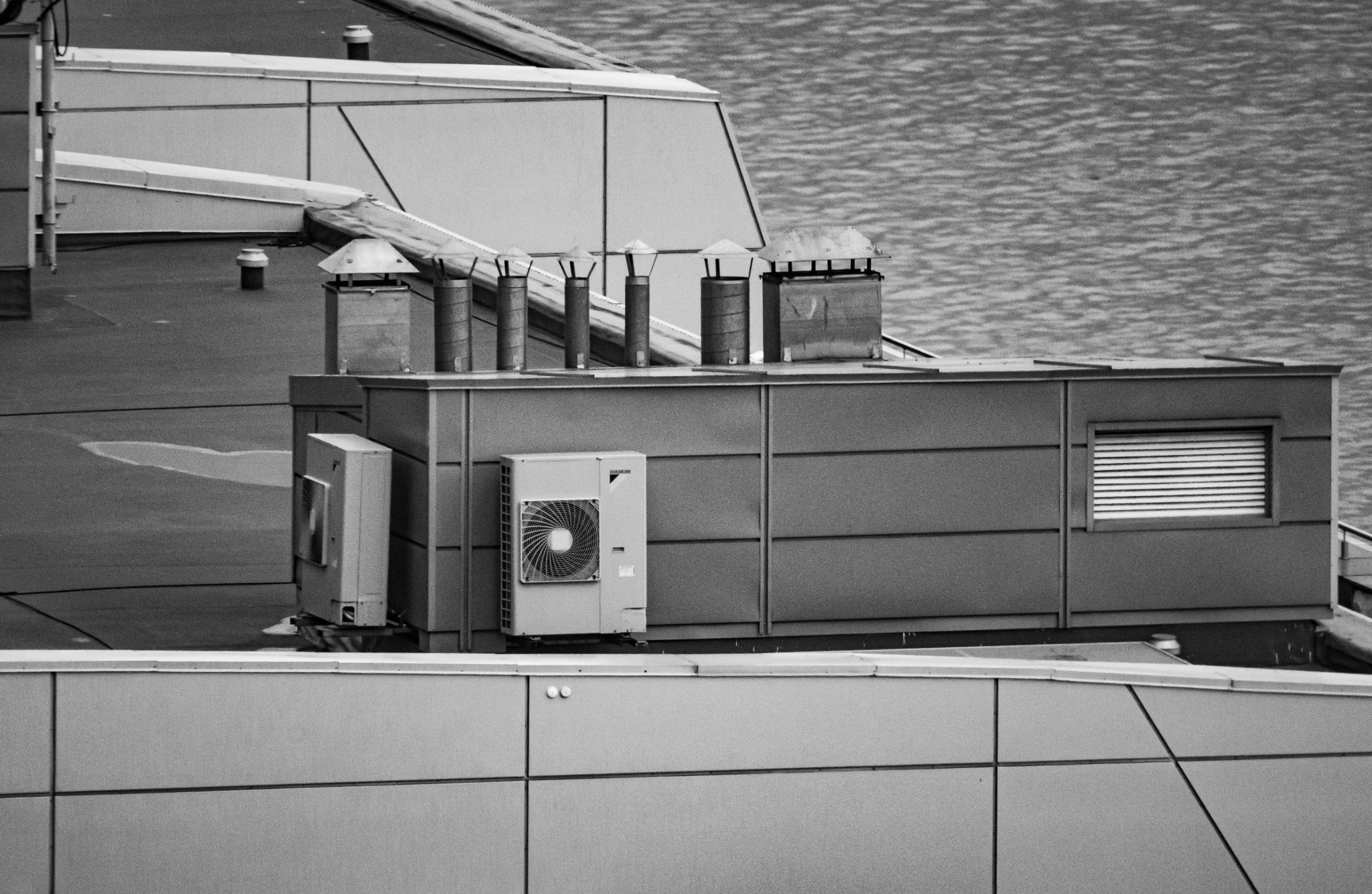
Rooftop HVAC units are a common choice for commercial buildings because they provide heating and cooling without taking up valuable interior space. However, because these systems are installed outdoors and are exposed to Maryland’s changing weather conditions, regular maintenance is especially important. Rain, snow, humidity, wind, dirt, leaves, and extreme temperatures can all affect rooftop equipment over time.
Routine maintenance helps businesses identify problems before they become expensive failures, maintain comfortable indoor temperatures, and keep HVAC equipment operating as efficiently as possible. For businesses that depend on consistent heating and cooling, preventive care can also reduce unexpected disruptions.
Rooftop HVAC Units Are Constantly Exposed to the Elements
Unlike indoor HVAC equipment, rooftop units are directly exposed to outdoor conditions throughout the year. Maryland weather can be particularly demanding because commercial HVAC systems may experience hot and humid summers, freezing temperatures, snow, rain, and strong winds.
Outdoor exposure can contribute to dirt accumulation, corrosion, clogged components, and general wear. Leaves and other debris can also collect around the equipment and interfere with airflow.
Regular inspections allow technicians to identify weather-related damage and clean components before they begin affecting system performance.
Businesses should not wait until a rooftop unit stops working before having it inspected. Preventive maintenance can help catch developing problems while they are still manageable.
Dirty Rooftop Units Can Reduce Efficiency
Dirt and debris can have a significant impact on HVAC performance. When coils, filters, fans, and other components become dirty, the system may have to work harder to maintain the desired indoor temperature.
That additional workload can increase energy consumption and operating costs.
For businesses, this can become particularly expensive because commercial HVAC systems may operate for many hours each day. Even a gradual decline in efficiency can have a noticeable effect on long-term operating expenses.
Regular cleaning and maintenance help the equipment operate under the conditions it was designed for.
For more information, see How Dirty Rooftop Units Increase Commercial Energy Bills.
Maintenance Helps Prevent Unexpected Breakdowns
A rooftop HVAC failure can create significant problems for a business. If a unit stops heating or cooling during extreme weather, employees and customers may be uncomfortable, and certain businesses may even have to temporarily change their operations.
Routine maintenance provides an opportunity to identify worn belts, electrical problems, airflow issues, refrigerant concerns, and other developing problems before they result in a complete system failure.
Not every problem can be prevented, but identifying issues early can give business owners more options for addressing them.
Instead of discovering a failing component during the hottest or coldest part of the year, a business may be able to schedule the necessary repair at a more convenient time.
Rooftop Units Need Proper Airflow
Airflow is essential to commercial HVAC performance. A rooftop unit needs to move air efficiently to heat or cool the building properly.
Dirty filters, clogged coils, blocked outdoor components, and other problems can restrict airflow. When airflow is inadequate, the system may run longer while struggling to maintain comfortable indoor temperatures.
During maintenance, HVAC professionals can inspect airflow-related components and identify conditions that could reduce performance.
Businesses should also pay attention to changes inside the building. If certain areas suddenly become warmer or colder than usual, that may indicate an airflow or HVAC problem that deserves investigation.
Regular Maintenance Can Extend Equipment Life
Commercial HVAC systems are a major investment. Businesses naturally want to get as much useful service from their equipment as possible.
Routine maintenance can help reduce unnecessary wear by keeping components clean, properly adjusted, and operating as intended. While maintenance cannot make equipment last forever, neglecting the system can allow small issues to develop into larger problems.
A well-maintained system may also provide more predictable performance over its service life.
This is particularly important for rooftop units because replacing commercial HVAC equipment can require significant planning, expense, and downtime.
Maintenance Helps Identify Safety Concerns
Commercial HVAC equipment contains electrical components, moving parts, heating equipment, and other components that should be inspected by qualified professionals.
Routine inspections can help identify potential safety concerns before they become more serious. For heating equipment, technicians can check components associated with proper combustion and operation. Electrical connections and other system components can also be evaluated during scheduled maintenance.
Businesses should never attempt to repair complex HVAC components themselves. Commercial equipment should be serviced by trained HVAC professionals who understand the specific system.
Maintenance Helps Businesses Plan for Repairs
One major advantage of preventive maintenance is that it provides businesses with a better understanding of their HVAC equipment’s condition.
A technician may identify a component that is showing signs of wear but is not yet causing a complete system failure. Knowing about the issue gives the business an opportunity to plan for the repair.
This can be much easier than dealing with an unexpected emergency.
Maintenance records can also help businesses track recurring problems and determine whether an aging rooftop unit is becoming too expensive to maintain.
If a commercial HVAC system is repeatedly breaking down, commercial HVAC repair can address current problems while helping determine whether continued repairs or eventual replacement makes more sense.
Seasonal Maintenance Is Especially Important in Maryland
Maryland businesses experience significant changes in HVAC demand throughout the year. Rooftop units may operate heavily during summer cooling season and then transition into heating operation as temperatures drop.
Scheduling maintenance before periods of heavy use can help ensure that equipment is ready for the demands ahead.
For example, a business may schedule cooling system maintenance before summer temperatures arrive and heating system maintenance before winter.
Regular service throughout the year can also make it easier to identify problems caused by seasonal wear.
Maintenance Can Improve Indoor Comfort
The purpose of a commercial HVAC system is ultimately to maintain a comfortable indoor environment.
When rooftop equipment is not operating properly, employees may notice rooms that are too warm, too cold, humid, or difficult to keep comfortable. These issues can affect productivity and the experience of customers or visitors.
Properly maintained equipment is better positioned to provide consistent heating and cooling throughout the building.
Businesses should pay attention to complaints about changing indoor temperatures rather than assuming they are simply caused by weather.
How Often Should Rooftop HVAC Units Be Maintained?
The ideal maintenance schedule depends on the type of equipment, building, operating hours, environmental conditions, and manufacturer’s recommendations.
Businesses with equipment that operates heavily may require more frequent inspections than buildings with lighter HVAC demands.
A professional HVAC provider can evaluate the system and recommend an appropriate maintenance schedule.
Regular commercial HVAC maintenance provides businesses with an opportunity to keep equipment inspected and address developing problems before they cause major disruptions.
Protect Your Commercial HVAC Investment
Rooftop HVAC units provide an efficient way to heat and cool commercial buildings, but their outdoor location means they are constantly exposed to conditions that can affect performance. Dirt, debris, weather, worn components, and restricted airflow can all contribute to declining efficiency and unexpected breakdowns.
Regular maintenance helps businesses protect their HVAC investment, improve reliability, manage operating costs, and maintain a comfortable environment for employees and customers.
Preventive maintenance is also part of a larger strategy for controlling long-term HVAC expenses. How Preventive HVAC Maintenance Saves Money Over Time explains how addressing small issues early can help businesses avoid more expensive problems.
If your commercial rooftop HVAC units need inspection, maintenance, or repair, contact Four Seasons Heating & Cooling to schedule professional service.