Few things are more frustrating during warm weather than turning on your air conditioner only to feel warm air blowing from the vents. Many homeowners assume this automatically means the entire system has failed – but in reality, several different issues can cause an AC unit to stop cooling properly.
Some problems are simple, like thermostat settings or clogged air filters. Others may involve refrigerant leaks, frozen coils, compressor failure, or electrical issues that require professional HVAC repair.
Understanding why your AC is blowing warm air can help you respond quickly before the problem worsens. In this post, we’ll break down the most common causes of warm air from your air conditioner, what homeowners can safely check themselves, and when it’s time to contact Four Seasons Heating & Cooling for professional AC repair services in Montgomery County and surrounding Maryland areas.
Why Warm Air Coming From Your AC Is a Problem
Your air conditioner is designed to:
- remove heat from indoor air
- control humidity
- circulate cool air consistently
When warm air starts coming through the vents, it usually means the cooling process has been interrupted somewhere within the system.
Ignoring the issue can lead to:
- higher energy bills
- system strain
- compressor damage
- complete system breakdown
During Maryland summers, even a small cooling issue can escalate quickly because HVAC systems work harder in high heat and humidity.
That’s why homeowners should address cooling problems as soon as possible.
Why Your AC is Blowing Warm Air
1. Your Thermostat Settings Are Incorrect
Before assuming major HVAC failure, start with the thermostat.
Check:
- Is it set to “cool”?
- Is the temperature lower than room temperature?
- Are batteries dead?
- Is the fan set to “on” instead of “auto”?
Sometimes the issue is surprisingly simple.
When the fan is set to “on,” it may continue circulating air even when the system is not actively cooling, which can feel like warm air.
If settings appear correct and the problem continues, further diagnosis is needed.
2. Your Air Filter Is Clogged
Dirty air filters are one of the most common causes of AC airflow and cooling problems.
A clogged filter restricts airflow, which can:
- reduce cooling performance
- overwork the blower motor
- freeze evaporator coils
- increase energy costs
Many homeowners forget to replace filters regularly – especially after winter.
Filters should generally be checked every 1–3 months depending on:
- pets
- allergies
- home size
- system usage
Replacing the filter may restore airflow quickly if blockage is the main issue.
3. Low Refrigerant Levels
Refrigerant is essential for removing heat from indoor air.
If refrigerant levels drop because of a leak, your system may:
- blow warm air
- struggle to cool
- freeze coils
- run continuously
Low refrigerant is not a normal occurrence. If levels are low, there is almost always an underlying leak that requires professional repair.
Handling refrigerant should always be left to licensed HVAC professionals.
4. Frozen Evaporator Coils
Frozen coils prevent proper heat exchange, which disrupts cooling.
Signs of frozen coils include:
- ice buildup
- weak airflow
- warm air
- water leaks around the unit
Frozen coils may result from:
- dirty filters
- refrigerant leaks
- airflow restrictions
Turning the system off temporarily may help thaw the coils, but professional inspection is still recommended to identify the root cause.
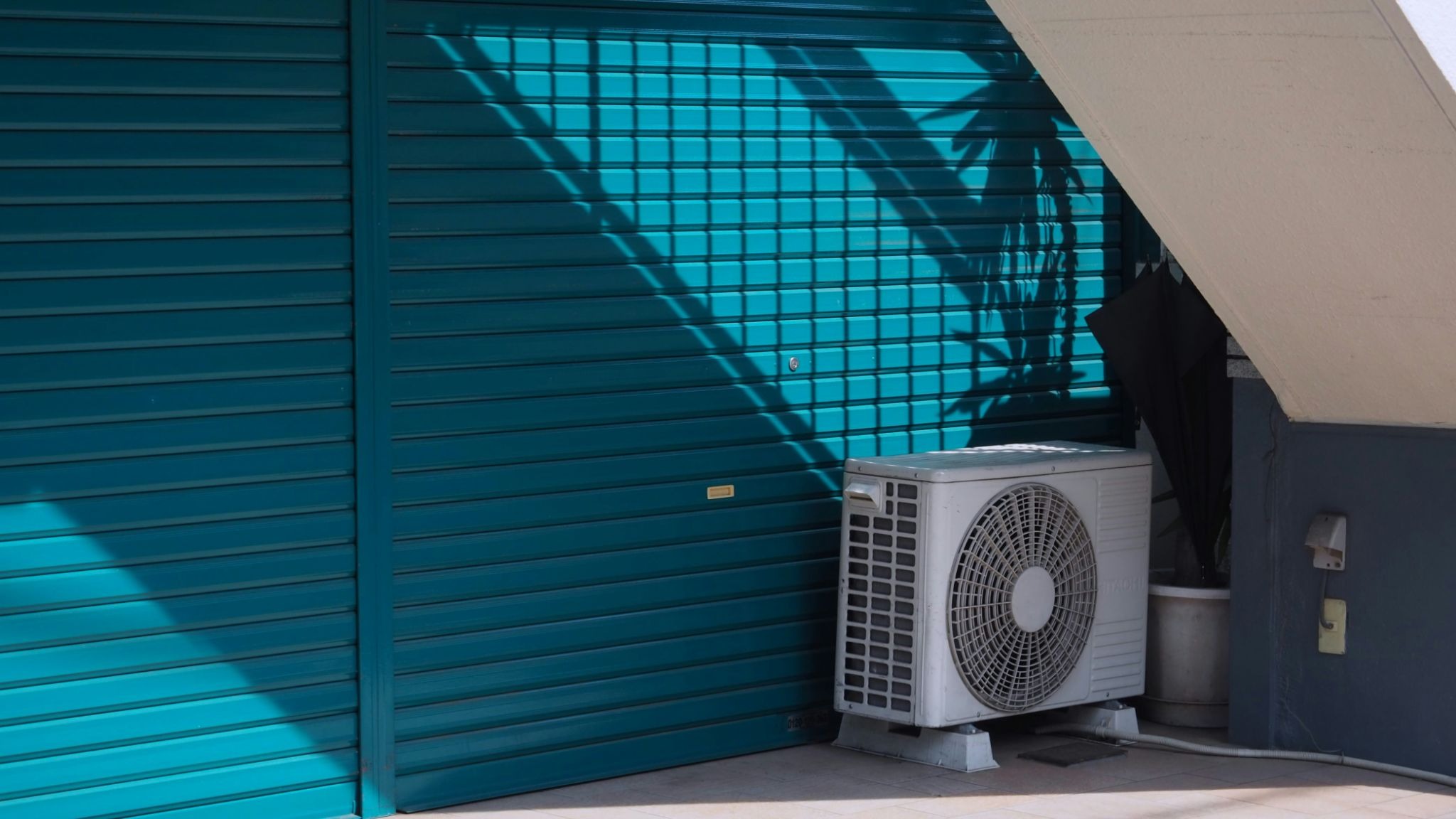
5. Your Outdoor Unit Is Dirty or Blocked
Your outdoor condenser unit releases heat removed from your home.
If the unit becomes blocked by:
- leaves
- dirt
- grass
- debris
heat cannot escape properly.
This often causes:
- reduced cooling
- overheating
- warm indoor airflow
Homeowners should keep at least two feet of clearance around outdoor HVAC equipment.
6. Electrical Problems Inside the System
Electrical issues can prevent parts of the system from functioning correctly.
Potential problems include:
- capacitor failure
- damaged wiring
- blown fuses
- tripped breakers
- failing contactors
Sometimes the indoor fan may continue running while the outdoor condenser stops working entirely, resulting in warm airflow.
Electrical HVAC repairs should always be handled professionally for safety reasons.
7. Ductwork Problems
Even if your AC unit itself is functioning properly, damaged ductwork can affect cooling performance.
Leaks or disconnected ducts may:
- allow cool air to escape
- pull warm attic air into the system
- reduce airflow throughout the home
This often causes uneven temperatures and poor cooling performance.
Professional HVAC inspections can identify hidden ductwork issues many homeowners never notice themselves.
The best way to avoid cooling failures is preventative maintenance.
Scheduling spring HVAC tune-ups helps:
- improve efficiency
- catch worn parts early
- clean coils
- inspect refrigerant
- improve airflow
The best time to repair your AC is before summer temperatures arrive – not during the middle of a heat wave. Contact Four Seasons Heating & Cooling today.